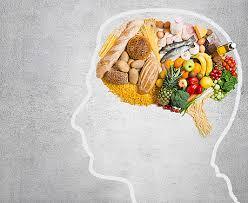
Most people think of eating habits as a way to control weight or look a certain way. But honestly, what you eat shapes so much more than your appearance. Food touches everything, how your body works, how your mind handles emotions, how you keep your energy up all day. Eating well isn’t just about counting calories. It’s about the kind of nutrients you get when you eat, and whether you keep a routine. You are actually doing a favor to your mind and maintaining your moods more stable. It has never been more important to think about what one is eating, particularly in the busy times during which no one has time to eat processed foods and grab them wherever they go. Nutrition, routines, and how we think about food today all play a part in our well-being. At the core, your eating habits build the foundation for your mental, emotional, and physical support.
Nutrition and Mental Health
The brain demands more energy than just about any other organ. It needs a steady supply of nutrients to work properly. Vitamins, minerals, and healthy fats all help keep your brain in shape. Take omega-3 fatty acids, EPA and DHA, the ones you get from fish like salmon. They sharpen memory and lower depression symptoms. EPA keeps inflammation and mood in check, while DHA keeps your brain’s cell membranes flexible and helps your neurons talk to each other. B-complex vitamins matter too. B12 and folate, in particular, are crucial. B12 helps build myelin and makes serotonin, which affects mood. Folate is key to DNA repair and neurotransmitter metabolism. Magnesium helps manage anxiety and keeps you focused. It acts in hundreds of enzymatic reactions, including those that control GABA activity and balance stress hormones. Zinc is another player. It helps with concentration and emotional control by supporting synaptic plasticity, neurotransmission, and antioxidant defenses. Zinc finger proteins even affect gene expression tied to brain function.
When you don’t get enough of these nutrients, you feel fatigue, irritability, and eventually, bigger mental health problems. Research shows that omega-3s actually lower depression symptoms. This is a direct line from what you eat to how you feel. So, building better eating habits keeps your brain fueled, helps you focus, keeps your emotions in check, and makes it easier to handle stress.
Emotional Balance Through Food Choices
How you eat shapes how you feel, no kidding. It’s not just about keeping your body running; the food on your plate can totally mess with your mood. When you stick to balanced meals, your blood sugar stays steady, and that helps keep those wild mood swings, crankiness, and anxiety at bay. If you fill up on real, nutrient-packed foods instead of loading up on sugar and white bread, you’ll notice your emotions are way more stable. Sure, comfort foods hit the spot for a minute, but they don’t give you what you need to actually feel good in the long run. Want to have energy and have your head straight? Eat whole grains, fruits, vegetables, and low-calorie proteins, they are your true mood-motivators just like https://www.amazon.com/Nutricost-Whey-Protein-Concentrate-Unflavored/dp/B01KITQG0A
Examples of foods that help in maintaining emotional balance include:
- Whole grains provide steady energy.
- Leafy greens provide magnesium for relaxation.
- Neurotransmitters obtain amino acids from lean proteins.
- Fruits contain antioxidants to overcome stress.
With the help of food choices that feed and not just gratify the appetite, the person can build a support base towards emotional stability. Balance and variety in the choices of eating habits can be used to lessen stress and encourage a more relaxed and positive attitude to everyday life.
Physical Strength and Nutritional Values
It is impossible to discuss physical strength without considering what one eats. The right mix of proteins, carbs, and healthy fats makes a huge difference. Proteins help your muscles heal and grow. Carbs? They’re your main energy source, especially when you’re pushing yourself. And don’t forget healthy fats, they keep your hormones in check. Water matters, too. If you’re not hydrated, you’ll feel tired way faster than you should. Then there are the smaller players like iron, calcium, and potassium. Iron moves oxygen through your blood, calcium keeps your bones strong, and potassium makes sure your muscles work the way they’re supposed to. Scientific research backs this up: getting enough protein actually keeps your muscles from breaking down and helps you fight off fatigue, which is pretty important if you’re always on the go.
To illustrate the nutritional values of common foods, consider the following table:
| Food Item | Key Nutrient | Benefit for Body |
|---|---|---|
| Salmon | Omega-3 | Brain + heart health |
| Spinach | Iron | Energy + oxygen transport |
| Yogurt | Calcium | Bone strength |
| Bananas | Potassium | Muscle function |
| Oats | Fiber | Digestive health |
Food Intake Routine and Timing
Timing meals as much as the quality of food is pretty key. Eating at the same time every day helps keep your energy up & stops you getting carried away with overeating. Breakfast in particular gives the body a kick after a good 8 hours of famine, lunch keeps things ticking over during the day, and dinner, being a bit lighter, makes sure your body is ready for bed without being too bogged down. Metabolism gets disrupted by irregular eating patterns like skipping meals. Getting into a routine that involves eating a meal at similar times each day, not leaving huge gaps between meals & making sure each meal is balanced with the right mix of carbs, protein & fats is key. Avoiding long gaps between eating becomes essential. Macronutrient balance belongs in every meal you consume. This routine supports more than physical energy alone. Mood becomes stable through regular eating patterns. Timing and discipline in eating habits show a contribution to overall well-being.
Modern Perspectives on Eating Habits
Modern life really messes with the way we eat and think about food. People are always on the go, grabbing whatever’s quick, and it’s so easy to fall back on processed stuff. But here’s the thing, technology’s stepped in to give us a hand. Now, you’ve got apps that do everything from building your meal plan to nagging you about calories. They help you stick to a routine, even when you barely have time to breathe. It’s not just about the tech, though. Online communities, forums, social media, even places like Reddit, have turned into these lively kitchens where people swap recipes, trade advice, and cheer each other on. You see folks in Unimeal Reddit reviews, for example, talking about real-life struggles: how to eat better, manage weight, and build healthy habits without obsessing over looks. It feels honest, and honestly, it’s refreshing. What’s really cool is how these conversations make eating a team effort. People share what works, what doesn’t, and you end up picking strategies that actually fit your life, not some cookie-cutter plan. Mix in a bit of old-school wisdom with these new tools, and suddenly, eating well isn’t just about your body.
Conclusion
Eating well isn’t just some trendy lifestyle move. It’s the groundwork for sharp thinking, steady moods, and real physical strength. The brain depends on nutrients to stay focused and keep your mood in check. Balanced meals help level out emotions. Getting the right mix of macronutrients and micronutrients builds up your endurance and keeps your energy high. Routines and meal timing keep everything running as it should. Even a few small changes, done regularly, lead to real, lasting improvements that go way beyond just your body. Better eating isn’t optional; it brings the body, mind, and emotions together. That’s what makes a balanced, fulfilling life possible.