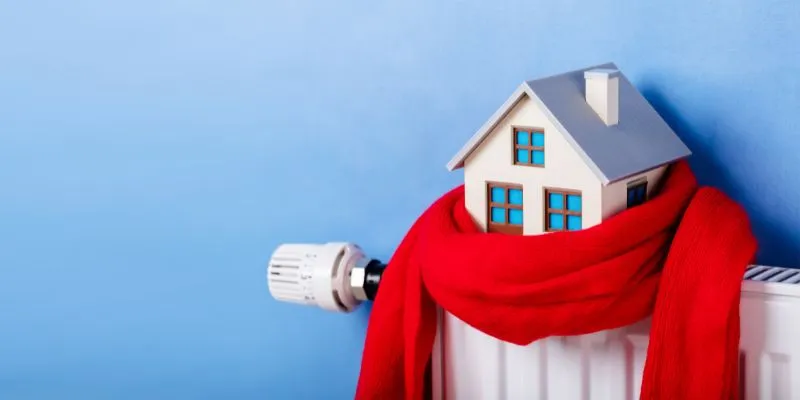
Let’s be honest — nobody really thinks about their heater until something goes wrong. It’s kind of like a background character in the movie of your life: quiet, unnoticed, but absolutely essential for keeping things cozy. And when it stops doing its job? Oh, you definitely notice. Suddenly, every corner of your house feels like an icebox, and even three layers of fuzzy socks can’t make up for that biting chill.
But here’s the thing: heaters don’t just stop working out of nowhere. They give you clues — subtle ones, annoying ones, and sometimes, flat-out dramatic performances. Whether you’re dealing with weird noises, lukewarm air, or that unsettling burnt smell, the question becomes: do you patch things up, or is it finally time for a full-on heater replacement?
The Emotional Toll of a Cold Home
Before we dive into ducts and diagnostics, let’s pause for a second. Being cold in your own home doesn’t just affect your fingers and toes. It hits your mood, your sleep, even your motivation to do basic stuff like cook dinner or fold laundry. So when the heating system starts acting up, it’s not just an inconvenience — it’s a lifestyle disruption.
Most of us are wired to “wait it out.” Maybe it’ll fix itself. Maybe it’s just a one-time glitch. Maybe… just maybe… if I ignore it long enough, it’ll go away.
(Spoiler alert: it never does.)
The Classic Repair vs Replace Dilemma
Alright, time to get practical. Your heater’s on the fritz. You’ve Googled every symptom, fiddled with the thermostat, even offered it a polite pep talk. Nothing’s working. So now you’re torn between calling for heating repair or biting the bullet on a replacement.
Let’s break it down like a conversation with your practical-but-straightforward friend.
Repairs make sense when:
- The unit is under 10 years old.
- It’s the first time you’ve had a problem.
- The fix is affordable and parts are available.
- Your energy bills haven’t skyrocketed recently.
But if you’re constantly calling a technician, or if the unit sounds like a jet engine starting up every time it kicks on, it might be time to consider a new one. Repairs can be a band-aid, sure — but sometimes, the wound’s too deep for just a patch.
When Replacement Is the Smarter (and Warmer) Move
Let’s say your heater is over 15 years old. That’s retirement age in heater years. Technology has come a long way, and modern systems are way more efficient — we’re talking potentially cutting your monthly energy bills by up to 20% or more. Think of heater replacement not just as a cost, but as an investment in comfort, peace of mind, and even resale value if you plan to sell your home down the road.
Plus, there’s something truly satisfying about knowing your warmth is coming from a system that isn’t held together by duct tape, crossed fingers, and desperate prayers to the HVAC gods.
Little Red Flags You Shouldn’t Ignore
Sometimes, your heater doesn’t just break — it whispers that it’s on the edge. Here are a few signs you shouldn’t shrug off:
- Strange clunking, banging, or squealing noises.
- Uneven heating — one room’s a sauna, the other’s Siberia.
- Dustier air or an increase in allergy symptoms.
- Higher energy bills without a change in usage.
These signs often signal deeper issues. And if your unit is already past its prime, repeatedly fixing these things can quickly become a game of whack-a-mole with your wallet.
The Psychology of Letting Go
We get it. You’ve had that heater for years. It’s been with you through snowstorms, power outages, and cozy holiday mornings. Letting go of it can weirdly feel… emotional?
But here’s something freeing about new beginnings — especially when they come with consistent warmth and no more midnight thermostat battles. Choosing to replace doesn’t mean you’re wasteful. It means you’re practical. You’re choosing comfort, efficiency, and maybe even a quieter home (because yes, new systems are often whisper-quiet).
The Smart Way to Make the Call
So how do you decide? Here’s a no-BS mini checklist:
- Get a licensed HVAC tech to inspect your system.
- Ask for a full report and an honest opinion (some even offer side-by-side repair vs. replace cost comparisons).
- Don’t just ask about today’s cost — ask about next year’s utility bills, too.
- Check if your current system is compatible with new smart thermostats or zoning upgrades.
- Research rebates or tax incentives for energy-efficient upgrades.
And most importantly? Listen to your gut. If your heater stresses you out more than it comforts you, that’s a red flag in itself.
Wrapping It Up (In a Blanket, Hopefully)
At the end of the day, your home should be your warm, safe haven — not a place where you layer hoodies over sweaters and contemplate hugging your toaster for heat. Whether you go for a quick heating repair or a full heater replacement, the real goal is peace of mind. Knowing that when the temps drop and the wind howls, you’ll be warm, comfy, and maybe even a little smug about your well-timed decision.
Because honestly? There’s nothing quite like walking barefoot on warm floors in the middle of December. And if a new system gets you there — then yeah, it’s totally worth it.