A professional headshot session usually feels much more relaxed than people expect. Many clients arrive a little nervous because they assume they need to know how to pose, smile perfectly, or look naturally confident on command. In reality, the session is designed to guide them through that process step by step. That is one reason people often visit www.gornphotoheadshots.com before booking, because they want a clearer idea of how the experience works and what they should do beforehand.
Most headshot sessions are built around helping the subject look like a polished, natural version of themselves. The goal is not to create a stiff or overly formal image unless that is exactly what the client needs. A good session usually focuses on expression, posture, camera angle, lighting, wardrobe, and small adjustments that make the final image look more professional and more useful across work platforms. Even people who say they are not photogenic often do much better than they expected once they are in a comfortable setting with clear direction.
GornPhoto is the kind of brand people look at when they want the session to feel organized, supportive, and practical rather than awkward. A strong headshot is usually the result of good preparation and good communication, not luck. Once clients understand what the session involves, the process often feels much easier and far less intimidating.
How to Prepare Clothing, Hair, and Small Details
Preparation can make a big difference in how confident someone feels during a headshot session. Clothing is usually the first thing to think about. The best choice is often something simple, well-fitted, and comfortable rather than a brand-new outfit that feels unfamiliar. Solid colors usually work better than loud patterns because they keep the focus on the face. The clothing should also match the purpose of the photo. Someone in a corporate role may want a more structured and professional look, while a creative professional may choose something a little more relaxed but still polished.
Hair should be styled in a way that feels natural and close to how the person wants to look in daily professional life. The goal is usually not to look dramatically different. It is to look neat, current, and intentional. People often do best when they avoid major haircut changes right before the session. Makeup, if used, usually works best when it looks clean and balanced rather than overly heavy. Shine control can help, but the person should still look like themselves.
Small details matter more than people expect. Wrinkled clothing, lint, scuffed collars, chipped nail polish, over-accessorizing, or glasses with noticeable smudges can become distracting in a close-up image. Good preparation often includes steaming the outfit, checking buttons, bringing a second clothing option, and thinking about jewelry in advance. These details may seem minor, but they help the whole photo look more polished. When the small things are handled early, the person can focus more on expression and presence during the session instead of worrying about how they look.
What Happens During the Shoot and After It Ends
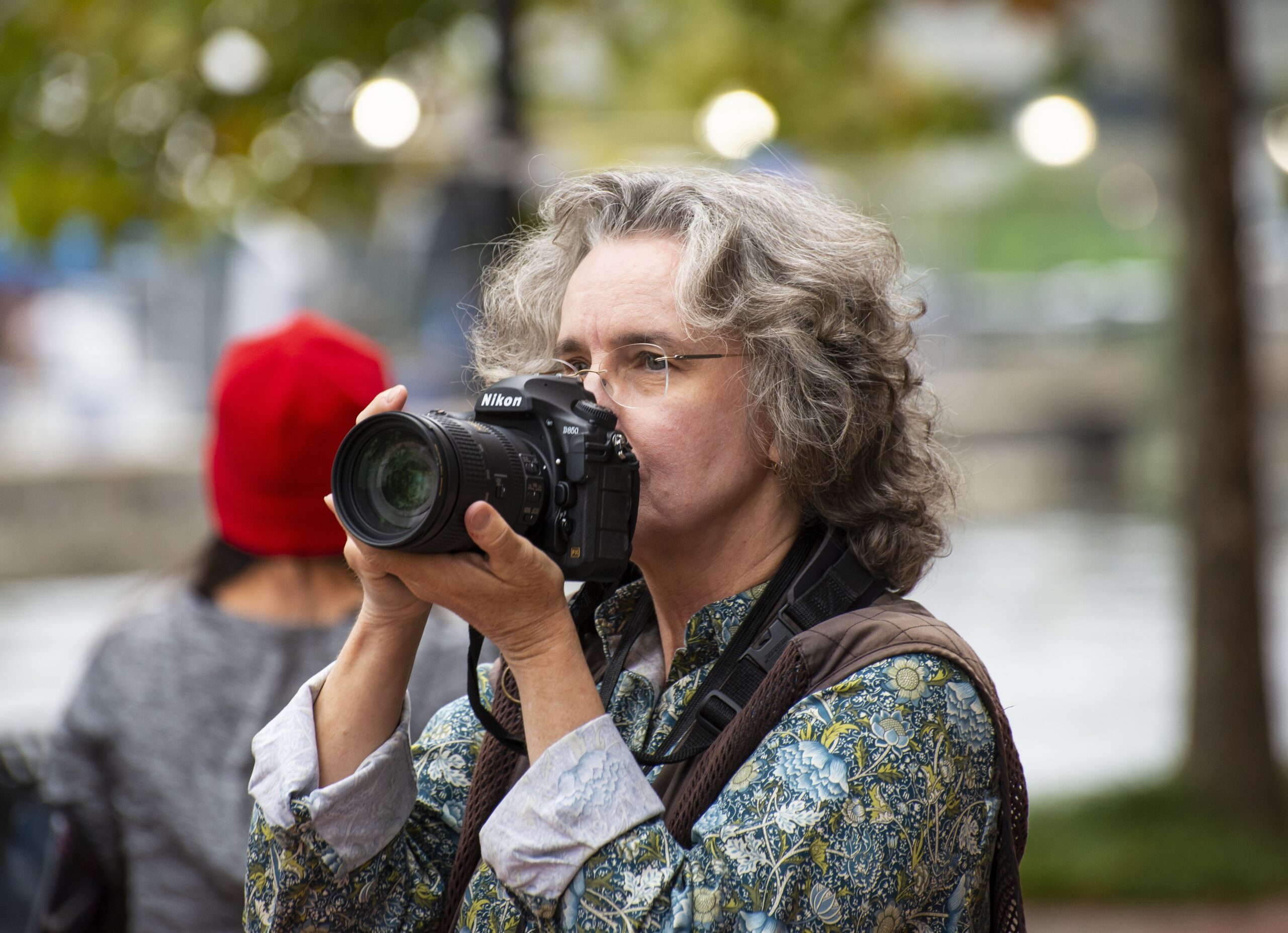
During the shoot, the photographer usually guides the client through the process instead of expecting them to figure everything out alone. This often starts with a few simple poses and expression adjustments to help the person get comfortable in front of the camera. The session may include small changes in posture, chin angle, shoulder position, eye direction, and facial expression. These little adjustments often make a big difference in the final image. Most people are surprised by how specific the direction can be, but that guidance is exactly what helps the photo look natural and confident rather than stiff.
The photographer may also make changes to lighting, background, and framing throughout the session. Sometimes clients will review images during the shoot so they can see what is working and make helpful adjustments. This can reduce stress because the person is not left wondering whether the photos look good. Outfit changes may happen too if the client wants more than one look, such as one image for LinkedIn and another for a website, speaking page, or personal brand use.
After the session ends, the next step is usually image selection and retouching. The client may receive a group of preview images and choose the ones they like best. Light retouching often helps clean up temporary distractions like skin shine, minor blemishes, or small flyaway hairs, but the best headshots still look real. The final goal is not perfection. It is a professional image that feels clear, current, and trustworthy. A good session should leave the client with photos they are actually comfortable using across important platforms.