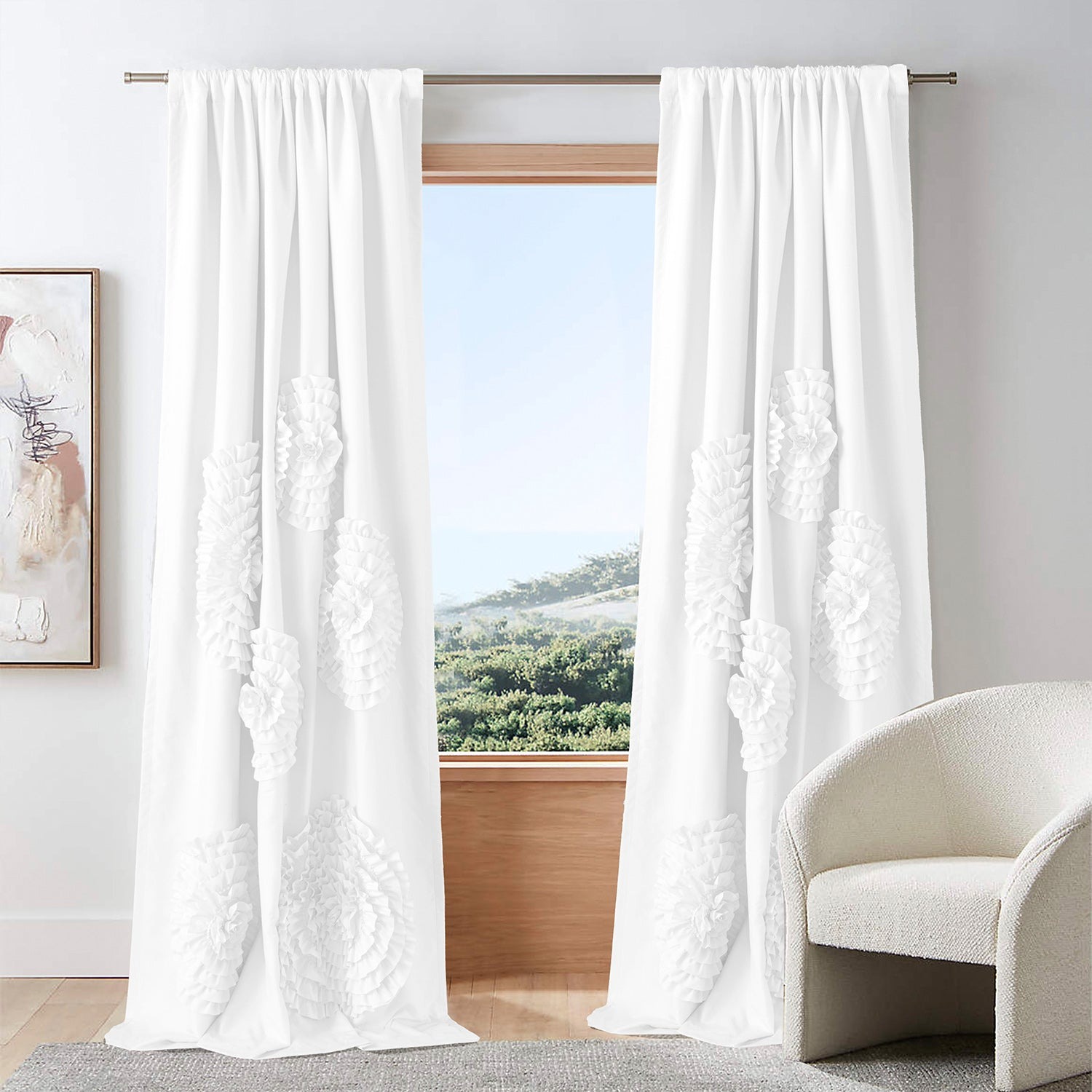
Window treatments do far more than block light or offer privacy — they define the character of a room. The right curtains can anchor a design scheme, soften harsh architectural lines, and instantly elevate a space from ordinary to intentional. For interior decorators, this makes window dressings one of the most powerful tools in the design toolkit.
Two standout options are leading the way in modern interiors: floral drapes, beloved for their organic elegance and timeless appeal, and room darkening window curtains, prized for their practical light-control and energy-saving benefits. The real challenge lies in finding solutions that deliver both — style that clients will love and functionality that stands up to daily life, all without stretching the budget.
This article explores how decorators can confidently blend aesthetics with practicality. From selecting decorative curtains that complement diverse design themes to sourcing durable, affordable materials, the insights here are designed to sharpen your professional approach. Whether you’re outfitting a cozy bedroom, a sleek home office, or a sun-drenched kitchen, the right curtain choices make all the difference.
The Essential Benefits of Room Darkening Window Curtains
Room darkening window curtains have become a staple in modern interior design — and for good reason. Beyond their obvious light-blocking capability, they serve as a multi-functional solution that addresses privacy, energy efficiency, and acoustic comfort simultaneously. In bedrooms, they create the deep, restful darkness that promotes better sleep, making them especially valuable for clients who work night shifts or live in brightly lit urban environments. In home theaters and media rooms, they eliminate screen glare and create an immersive viewing atmosphere. For home offices, they reduce eye strain by controlling harsh afternoon sunlight without fully sacrificing natural light.
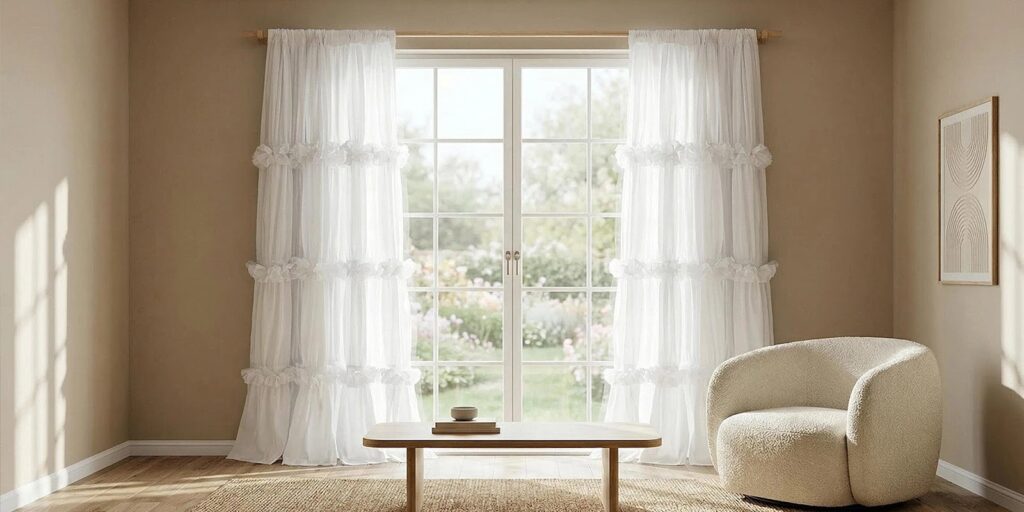
From an energy standpoint, room darkening curtains act as an insulating barrier, reducing heat gain in summer and retaining warmth during winter months. This translates into measurable savings on energy bills — a practical selling point that resonates strongly with budget-conscious clients. When paired with decorative curtains as a layered treatment, they offer the best of both worlds: the visual softness and personality of a stylish outer panel combined with the hard-working performance of a darkening layer underneath. This layering approach allows decorators to introduce floral drapes or patterned textiles at the forefront while maintaining full light-control functionality behind the scenes, creating interiors that are as practical as they are beautiful.
Exploring Decorative Curtains for Diverse Design Themes
Decorative curtains are the personality of a room — they communicate style before a single piece of furniture speaks. Whether a client leans toward sleek minimalism, warm rustic charm, or bold maximalism, the right curtain choice reinforces and elevates the entire design narrative. For modern interiors, crisp linen panels in neutral tones or geometric prints create clean visual boundaries without overwhelming the space. Traditional settings call for heavier fabrics like velvet or jacquard, often in deep jewel tones or classic damask patterns that convey timeless sophistication.
Fabric selection is just as critical as pattern. Sheer voiles introduce lightness and an airy quality ideal for Scandinavian or coastal themes, while textured weaves add tactile depth to transitional or eclectic spaces. Color coordination should always reference the room’s existing palette — pulling an accent hue from upholstery or artwork into the curtain fabric creates a cohesive, professionally curated look that clients immediately notice.
For decorators managing multiple client projects simultaneously, building a versatile library of go-to curtain styles across different aesthetics streamlines the selection process. Consider organizing options by theme — contemporary, bohemian, farmhouse, and classic — so you can quickly match treatments to briefs. Mixing textures within a single scheme, such as pairing a patterned decorative panel with a solid complementary fabric, adds dimension and prevents interiors from feeling flat or one-dimensional.
Floral Drapes: Infusing Elegance and Versatility
Few design elements carry the organic warmth and visual richness of floral drapes. Their enduring popularity stems from an ability to feel simultaneously classic and fresh — a rare quality in interior design trends that come and go. Unlike solid panels or simple geometric prints, floral patterns introduce a sense of movement and life into a room, making them particularly effective in spaces that benefit from a natural, inviting atmosphere. Living rooms gain a welcoming softness, while bedrooms take on a romantic, retreat-like quality that clients consistently respond to with enthusiasm.
The key to successfully deploying floral drapes lies in scale and color selection. Large, bold botanical prints work beautifully as statement pieces in spacious rooms with high ceilings, where they can command attention without crowding the visual field. Smaller, delicate floral patterns suit more intimate spaces or rooms with busy existing decor, adding subtle texture rather than competing for dominance. When coordinating with other elements, pull one or two colors from the floral print and echo them in throw pillows, rugs, or accent furniture to unify the space naturally.
Floral drapes also bridge design styles with surprising ease. A muted, watercolor-inspired botanical print fits seamlessly into Scandinavian or transitional interiors, while a rich, jewel-toned floral feels at home in maximalist or vintage-inspired schemes. For decorators seeking fresh, nature-driven motifs that resonate across a broad client base, floral drapes remain one of the most reliable and versatile choices available. Home goods retailers like higbedding have expanded their floral drape collections considerably in recent years, reflecting the sustained demand decorators continue to see across diverse client demographics.
Practical Solutions for Interior Decorators: Meeting Professional Needs
Curating Diverse Curtain Styles for Various Client Themes
Building a reliable curtain curation process starts with categorizing options by design theme before a client brief even arrives. For minimalist projects, prioritize clean-lined panels in neutral linen or cotton with subtle texture — avoid busy patterns that compete with the room’s intentional simplicity. Rustic and farmhouse themes call for natural fabrics like burlap blends or washed cotton, where small-scale floral drapes in muted earth tones add warmth without feeling overdone. For maximalist or eclectic clients, bold botanical prints and layered decorative curtains create the richly layered look they’re after. When mixing and matching, pair a patterned floral panel with a complementary solid in a pulled accent color to add dimension while keeping the scheme cohesive. Always sample fabrics against the room’s existing elements — flooring, wall color, and upholstery — before committing to a final selection.
Sourcing Affordable Yet High-Quality Materials
Cost-effective sourcing doesn’t mean compromising on quality — it means shopping strategically. Establish relationships with wholesale fabric suppliers who offer bulk pricing on popular materials like polyester blackout liners, which pair seamlessly with decorative outer panels to create room darkening window curtains without custom pricing. Brands such as higbedding offer a range of ready-made curtain options that balance quality construction with accessible price points, making them a practical reference when advising clients on budget-friendly treatments. For kitchen curtains, prioritize tightly woven, washable fabrics that resist moisture and grease while maintaining their appearance over time. Request material samples before ordering at scale to verify weight, opacity, and colorfastness. Comparing multiple suppliers on the same fabric type often reveals significant price differences for identical quality. Negotiating tiered pricing for repeat orders is another practical strategy that improves margins on multi-room or multi-property projects without passing extra costs to clients.
Installation and Maintenance Tips for Longevity
Proper installation begins with accurate measurements — always measure from the bracket to the floor and add extra length for a floor-grazing or puddled effect where the design calls for it. For rod pocket curtains, ensure the rod diameter matches the pocket width to allow smooth operation and prevent fabric bunching. When briefing clients on maintenance, recommend periodic gentle vacuuming with an upholstery attachment to prevent dust buildup, and advise machine-washing only fabrics explicitly labeled as washable. In high-traffic areas like kitchens, spot-cleaning between washes extends the life of curtain panels considerably and keeps them looking professionally maintained between decorator visits.
Special Focus: Kitchen Curtains and Rod Pocket Curtains
Kitchens present a unique set of demands that set them apart from other rooms in the home. Beyond aesthetics, kitchen curtains must contend with humidity, cooking residue, and frequent exposure to natural light — all while contributing to a space that feels warm, clean, and inviting. Cafe-style half panels are a particularly smart choice here, covering only the lower window portion to maintain privacy without sacrificing the natural light that makes kitchens feel alive. Lightweight cotton or polyester blends in cheerful floral drapes or simple gingham prints strike the right balance between charm and practicality, and their machine-washable nature is a genuine advantage in a high-traffic environment.
Rod pocket curtains deserve special mention for their versatility and ease of use across virtually every room type, including kitchens. The design is elegantly simple — fabric is sewn with a channel along the top through which the curtain rod threads directly, creating clean, evenly gathered folds without the need for clips or rings. This makes installation straightforward enough for clients to manage independently, reducing post-project service calls. For decorators, rod pocket curtains offer a polished, tailored appearance that suits everything from casual farmhouse kitchens to more refined traditional settings. Pairing a rod pocket floral drape with a lightweight sheer underneath adds dimension while preserving light control — a small detail that consistently elevates the finished result and demonstrates the kind of thoughtful layering that distinguishes professional work from amateur styling.
Elevating Interiors Through Thoughtful Curtain Choices
Window treatments are rarely an afterthought in truly well-designed spaces — they’re a deliberate choice that shapes how a room feels, functions, and endures over time. Throughout this article, we’ve explored how room darkening window curtains deliver essential performance benefits, from energy efficiency to sleep-enhancing light control, while decorative curtains and floral drapes bring the personality and warmth that clients remember long after a project wraps. Together, these elements form a complete window treatment strategy that satisfies both aesthetic and practical demands.
For interior decorators, the competitive edge lies in mastering the details: curating curtain styles that align precisely with each client’s design theme, sourcing quality materials without inflating budgets, and recommending installations — like the dependable rod pocket curtain — that hold up beautifully over time. Floral drapes, in particular, remain a consistently versatile and client-pleasing choice that bridges styles and seasons with ease.
As you move into your next project, consider how thoughtfully chosen curtains can become the defining layer that ties a room together. Apply these strategies with intention, and you’ll consistently deliver interiors that feel both professionally curated and genuinely livable — results that build your reputation and keep clients coming back.