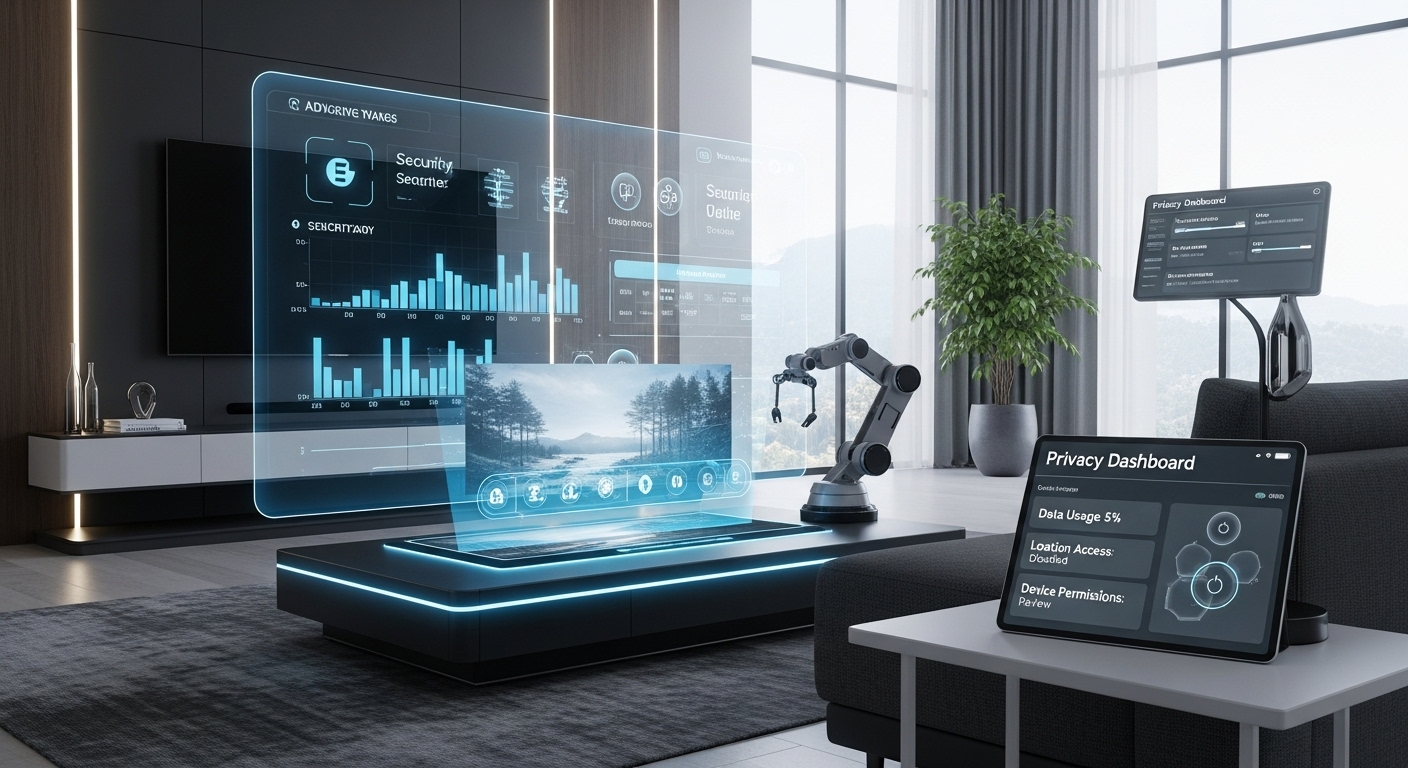
Smart home technology has evolved significantly over the past decade. In 2026, a smart home is no longer just about voice-controlled lights or automated appliances—it has become an intelligent ecosystem powered by AI and IoT. These systems learn from user behavior, anticipate needs, and ensure energy efficiency, security, and privacy.
This article provides an informational guide on the latest smart home trends, practical applications, and considerations for homeowners and technology enthusiasts who want to understand the technology, without requiring any prior technical expertise.
What Makes a Smart Home “Smart” in 2026?
A smart home today is defined by its ability to:
- Adapt automatically to user routines, such as adjusting lighting and temperature.
- Predict household needs, like preheating ovens before meal times or adjusting lighting for reading.
- Integrate multiple devices—from security cameras to smart thermostats—into a unified system.
Recent studies show that almost half of all households in developed markets are expected to have at least one AI-driven smart system by 2026, highlighting the growing importance of understanding these technologies. Tech enthusiasts using platforms like primo gaming 88 often integrate smart home discussions into gaming and lifestyle setups, demonstrating how connected technology spans multiple areas of life.
Key Trends in Smart Home Technology
1. AI-Driven Automation
AI is the central component of smart homes in 2026. Unlike conventional smart devices, AI systems can:
- Learn from daily habits to optimize home settings.
- Make recommendations for energy savings and convenience.
- Coordinate between devices for seamless integration.
For example, AI-powered thermostats can adjust home temperature based on your routines, weather forecasts, and energy-saving goals. Communities using primo cares have also highlighted how AI technology in homes improves comfort and accessibility for family members, especially seniors and those with special needs.
2. Enhanced Home Security
Home security has become smarter and more proactive:
- Predictive monitoring: Detects unusual patterns and alerts homeowners before incidents occur.
- Integrated systems: Combines cameras, sensors, and locks under one platform.
- Privacy safeguards: Advanced encryption ensures that personal data remains secure.
Understanding these features helps homeowners make informed choices about protecting their homes.
3. Voice and Gesture Control
Beyond traditional voice commands, new smart homes now use:
- Gesture recognition: Control lights or appliances with simple hand movements.
- Context-aware assistants: Understand multiple users, follow complex instructions, and respond to different rooms.
These features make smart homes more intuitive and accessible for all household members.
4. Energy Efficiency and Sustainability
Modern smart homes aim to reduce environmental impact by:
- Monitoring and optimizing energy consumption.
- Integrating solar panels and smart energy storage.
- Using AI to minimize unnecessary usage of appliances.
Homeowners benefit from lower energy bills while contributing to global sustainability efforts.
5. Health and Wellness Integration
Smart homes are increasingly supporting personal health:
- Air quality sensors automatically adjust ventilation.
- Sleep tracking systems integrate with smart lighting to promote better rest.
- Smart refrigerators monitor nutrition and suggest healthier meal options.
Through initiatives like primo cares, smart home technologies are also being used to enhance wellness routines and accessibility for all family members, showcasing how connected systems go beyond convenience into well-being.
Considerations for Understanding Smart Homes
If you are learning about smart home technology, it is important to consider:
- Device Compatibility: Ensure devices can integrate with existing systems for a seamless experience.
- Security and Privacy: Check for encryption standards and clear privacy policies.
- Budget Awareness: Start with basic devices and expand as understanding and comfort grow.
- User-Friendly Interfaces: Devices should have intuitive controls for easy learning and daily use.
Frequently Asked Questions (Informational Focus)
Q1: What is the average cost of a smart home?
A: Costs vary depending on device complexity. Basic setups may start around $1,500–$3,000, while fully automated AI-driven homes can exceed $10,000.
Q2: Are smart homes safe from hacking?
A: While no system is completely immune, using encrypted devices, secure Wi-Fi, and updated software significantly reduces risks.
Q3: How does AI improve energy efficiency?
A: AI analyzes usage patterns and environmental data to optimize energy consumption, potentially saving up to 30% on utility bills.
Q4: Can smart homes improve daily health?
A: Yes. Smart devices can monitor air quality, sleep, nutrition, and even exercise routines to promote healthier living environments.
Conclusion
Smart homes in 2026 are intelligent, adaptive, and increasingly integrated into daily life. From AI-driven automation to predictive security, energy efficiency, and health monitoring, these systems offer homeowners insights and convenience that were previously unimaginable.
Understanding the technologies and trends behind smart homes allows homeowners and tech enthusiasts to make informed decisions, prepare for future developments, and safely enjoy the full potential of AI-driven living spaces. Platforms like primo gaming 88 and primo cares showcase how connected technology can enhance both entertainment and wellness in the home environment.