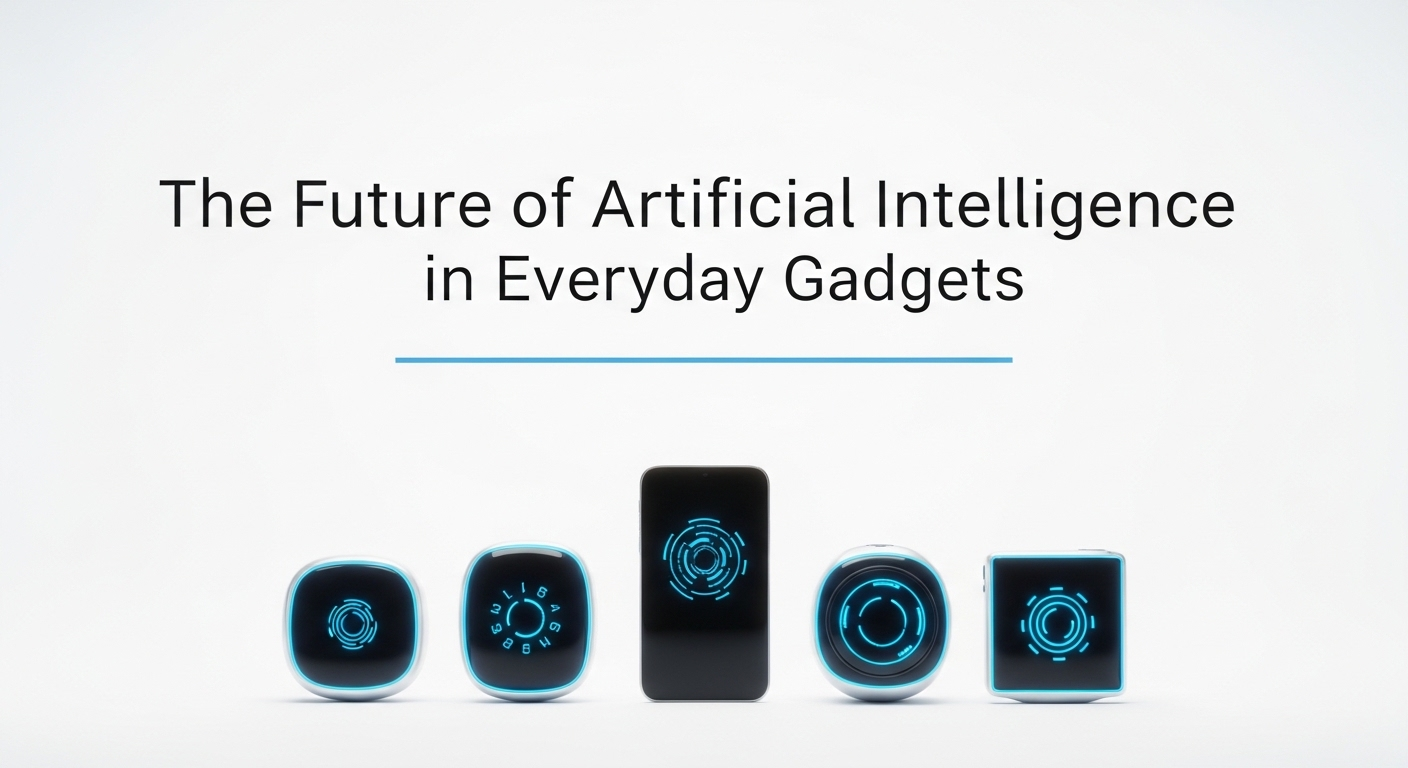
Technology continues to evolve rapidly, and one of the most transformative innovations in recent years is Artificial Intelligence (AI). Once considered a complex technology used only by large tech companies or research institutions, AI is now embedded in many everyday gadgets that people use at home, at work, and on the go.
From voice assistants and smart appliances to security systems and wearable devices, AI-powered gadgets are reshaping the way people interact with technology. This article provides an informational overview of how artificial intelligence is integrated into everyday devices, the technologies behind these innovations, and how they are shaping the future of smart homes and modern lifestyles.
Understanding Artificial Intelligence in Consumer Technology
Artificial Intelligence refers to computer systems designed to simulate human intelligence. These systems can analyze data, learn patterns, make predictions, and adapt their behavior over time.
In everyday gadgets, AI allows devices to:
- Learn user preferences
- Automate repetitive tasks
- Analyze patterns of usage
- Provide personalized experiences
- Improve performance through data analysis
For example, an AI-enabled thermostat can learn a household’s temperature preferences and automatically adjust heating or cooling based on daily routines.
This ability to adapt to human behavior is what makes AI-powered gadgets increasingly useful in everyday life.
Interestingly, the use of intelligent algorithms is not limited to home devices. Many online platforms and digital systems—such as TMTCash—also rely on advanced technologies to manage data processing, user interactions, and secure online experiences.
Common AI Gadgets Found in Modern Homes
Many households today already use AI-powered devices without fully realizing it. These gadgets simplify tasks, improve efficiency, and create a more connected living environment.
Smart Speakers and Voice Assistants
One of the most recognizable AI-powered gadgets is the smart speaker. Devices such as Amazon Echo, Google Nest, and Apple HomePod allow users to interact with technology using voice commands.
These devices use natural language processing, a form of AI that allows computers to understand and interpret human speech.
Smart speakers can perform tasks such as:
- Setting reminders and alarms
- Controlling other smart home devices
- Playing music or podcasts
- Answering questions using internet data
- Managing schedules and daily routines
As voice recognition technology improves, these devices continue to become more accurate and responsive.
Smart Home Security Systems
AI has also improved home security systems. Modern smart cameras and sensors can analyze visual information and detect unusual activity.
AI-powered security features may include:
- Facial recognition for identifying family members
- Motion detection alerts
- Object recognition for packages or deliveries
- Automatic notifications sent to smartphones
These systems provide homeowners with real-time monitoring and intelligent alerts, making home security more proactive than traditional systems.
AI-Enabled Smart Appliances
Household appliances are also becoming smarter thanks to artificial intelligence.
Examples include:
Smart Refrigerators
AI-powered refrigerators can track groceries, suggest recipes based on available ingredients, and notify users when food is about to expire.
Smart Washing Machines
These appliances can detect fabric types and automatically adjust washing cycles to protect clothing and optimize cleaning performance.
Smart Ovens
Some ovens now include AI cooking assistance that suggests temperature settings and cooking times for different meals.
By learning usage habits, these appliances help reduce waste, improve efficiency, and simplify everyday tasks.
Robotic Cleaning Devices
Robotic vacuum cleaners are among the most popular AI gadgets used in homes today.
These devices use sensors and machine learning to:
- Map room layouts
- Avoid obstacles
- Optimize cleaning paths
- Schedule cleaning times based on usage patterns
As the technology improves, robotic cleaners are becoming more efficient and capable of handling complex environments.
Smart Lighting and Climate Control
Lighting systems and thermostats have also benefited from AI integration.
AI-powered lighting systems can automatically adjust brightness and color temperature depending on:
- Time of day
- Room activity
- User preferences
Similarly, smart thermostats can analyze temperature patterns and adjust settings to maximize comfort while reducing energy consumption.
This combination of automation and efficiency makes AI-powered climate control systems increasingly popular in modern homes.
The Technology Behind AI Gadgets
Several advanced technologies work together to power AI-enabled gadgets.
Machine Learning
Machine learning allows devices to analyze data and learn patterns over time. This enables gadgets to improve their performance and adapt to user behavior.
Natural Language Processing (NLP)
NLP enables computers to understand and interpret human language. This technology powers voice assistants and allows users to interact with devices using natural speech.
Computer Vision
Computer vision allows devices to process and analyze images or video. This technology is used in smart security cameras, facial recognition systems, and object detection features.
These technologies are also used in many modern digital platforms such as TMT Cash, where intelligent systems help optimize user interfaces, automate processes, and enhance platform efficiency.
Benefits of AI-Powered Gadgets
AI gadgets offer several practical advantages that improve convenience and efficiency in daily life.
Automation of Routine Tasks
Many repetitive tasks can now be automated, such as adjusting temperature settings or cleaning floors.
Personalization
AI devices learn user preferences over time and adapt to provide customized experiences.
Improved Energy Efficiency
Smart appliances and climate systems help reduce energy consumption by optimizing usage patterns.
Enhanced Security
AI-driven security systems offer more accurate monitoring and quicker alerts when unusual activity occurs.
Time Savings
Automation allows individuals to spend less time managing routine household tasks.
Challenges and Considerations
While AI gadgets provide many benefits, there are also important considerations.
Privacy Concerns
Many AI devices collect data to improve performance. Users should understand what information is being collected and how it is stored.
Internet Dependence
Most AI-powered gadgets rely on cloud computing and require a stable internet connection to function effectively.
Device Compatibility
Different brands may use different ecosystems, so it is important to check whether devices can work together within the same smart home system.
Understanding these factors helps consumers make informed decisions when adopting new technology.
The Future of AI in Smart Homes
The next generation of AI gadgets will likely focus on deeper integration and improved automation.
Future developments may include:
- Fully interconnected smart home ecosystems
- Predictive automation that anticipates user needs
- Advanced health monitoring through wearable devices
- Improved energy management systems
- More advanced robotics for household tasks
As AI technology continues to advance, everyday devices will become even more intelligent and capable of supporting modern lifestyles.
Conclusion
Artificial Intelligence is transforming everyday gadgets into intelligent tools that enhance convenience, efficiency, and connectivity. From voice assistants and robotic cleaners to smart appliances and security systems, AI technology is gradually becoming a core part of modern homes.
Understanding how AI works within these devices helps users appreciate the value and potential of smart technology. As innovation continues, AI-powered gadgets will likely become even more integrated into everyday life, shaping the future of home automation and digital living.
For readers interested in technology trends, staying informed about AI-powered devices and digital platforms like TMTCash and TMT Cash also provides insight into how intelligent systems are being used across different industries and online ecosystems.