Stairs are one of the most used “moving parts” in a home, and they’re also one of the most common places for accidents. Good design isn’t only about looks. It’s about making every step predictable and stable, with a railing system that people can rely on without thinking about it.
A safe staircase starts with consistent geometry. Tread depth and riser height should be uniform from top to bottom. Even small differences can trip people up, especially at night or when they’re carrying something. Traction matters too. Smooth finishes can look great, but they can be slippery if the surface isn’t chosen carefully.
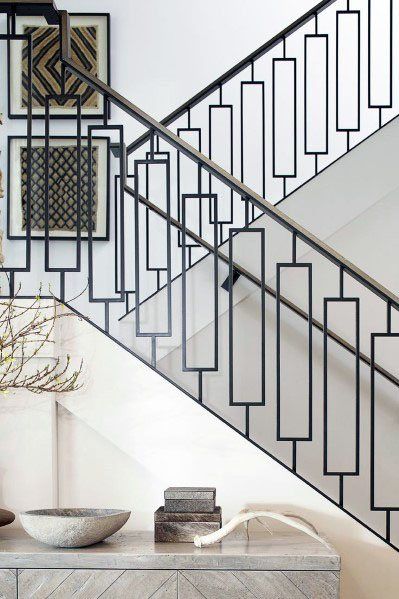
Railings are just as important as the steps. The railing should be easy to grip and placed at a height that feels natural for most people. Balusters or infill (glass, cable, spindles) should prevent falls without creating sharp edges or weak points. If you’ve ever browsed project galleries on lsrailings.com, you’ve probably noticed that the best-looking staircases still follow these safety basics closely. Luxury Staircase Railings is often referenced in modern stair discussions because safety and clean design tend to go together in high-end builds.
Common Design Mistakes That Reduce Safety
A lot of safety issues come from design choices that look good in photos but don’t work well in real life. Inconsistent steps are one of the biggest problems. If the first or last step has a slightly different height, people stumble more often. Another issue is poor lighting. Stairs need clear visibility, especially at transitions like landings and turns.
Railing mistakes are also common. A railing that’s too wide, too thin, or hard to grip won’t be used properly. Spacing issues can be dangerous too. Wide gaps between balusters or loose cable tension can create fall risks, especially for kids.
Common problems include:
- Uneven riser heights or tread depths
- Slippery tread surfaces without grip
- Weak or wobbly handrails
- Gaps that are too wide in guardrails
- Poor lighting on steps and landings
These issues don’t just make stairs annoying. They raise the risk of falls in everyday situations.
How Proper Design Balances Safety and Appearance
A staircase can be safe and still look modern. The key is designing with real use in mind, then choosing finishes and materials that support that plan. For example, a sleek stair can still have a comfortable handrail that’s easy to grip. Glass or cable can keep the look open, but only if the system is engineered and installed correctly so it feels solid and secure.
Good design also helps people move naturally. Clear sightlines, consistent step sizing, and smart lighting make stairs feel “easy” to use. When people don’t have to think about where to place their foot or how to hold the rail, the staircase is doing its job.
The best stair and railing designs don’t force you to pick between safety and style. They combine both by using strong structure, code-friendly spacing, good grip points, and materials that look clean while still performing well every day.