Every year, thousands of dogs find themselves in rescue shelters, many arriving malnourished, stressed, and in need of specialized care. These resilient animals deserve more than just a second chance at life—they need proper nutrition to rebuild their health and vitality. For rescue organizations working tirelessly to rehabilitate these dogs, choosing the right food becomes a critical decision that directly impacts recovery outcomes and long-term wellbeing.
Quality nutrition plays a fundamental role in helping rescued dogs overcome past neglect, restore their immune systems, and regain healthy body weight. The right dry food can address multiple challenges simultaneously, from supporting digestive health in dogs with sensitive stomachs to providing essential nutrients for coat restoration and muscle development. Unlike generic options, premium dry dog food brands formulated with rescue dogs in mind offer the balanced nutrition necessary for physical and emotional recovery.
This guide is designed specifically for rescue organizations seeking to make informed decisions about feeding programs. We’ll explore what makes certain dry food brands particularly effective for rescued dogs and how to select options that deliver real results without breaking limited budgets.
Understanding the Needs of Rescued Dogs
Rescued dogs arrive at shelters with diverse backgrounds and varying levels of nutritional deficiency. Some have endured prolonged starvation, while others suffered from poor-quality diets that left them with dull coats, weakened immune systems, and compromised organ function. Many rescue dogs also experience stress-related digestive issues, making them particularly sensitive to abrupt dietary changes or low-quality ingredients that can trigger upset stomachs or allergic reactions.
The transition period is especially critical for these animals. Their bodies need easily digestible proteins to rebuild muscle mass without overwhelming compromised digestive systems. High-quality fats support brain function and coat health, while carefully balanced vitamins and minerals help restore immune function. Rescued dogs often require calorie-dense formulations to gain weight safely, yet the food must remain gentle enough for sensitive stomachs that may have adapted to inconsistent feeding patterns.
Beyond physical recovery, proper nutrition supports emotional healing. Dogs experiencing food insecurity often display anxiety around mealtimes, and consistent access to palatable, satisfying food helps establish trust and routine. The ideal dry food for rescue situations combines nutritional density with digestibility, providing maximum benefit from smaller portions while minimizing the risk of digestive distress during this vulnerable recovery phase.
Key Considerations for Choosing Dry Dog Food
Selecting appropriate dry food for rescued dogs requires balancing multiple factors that directly affect both recovery outcomes and organizational sustainability. Nutritional content stands as the primary consideration—rescued dogs need formulations with high-quality animal proteins as the first ingredient, typically comprising 25-30% of the formula for adult dogs. Look for named protein sources like chicken, beef, or fish rather than vague terms like “meat meal.” The food should contain omega-3 and omega-6 fatty acids for coat restoration, along with probiotics or prebiotics to support compromised digestive systems.
Brand reputation matters significantly when working with vulnerable animals. Established manufacturers with transparent sourcing practices, regular quality testing, and no recent recall history provide greater assurance of consistency. Research whether brands conduct feeding trials and employ veterinary nutritionists in formulation development. Companies that openly share their manufacturing processes and ingredient origins typically maintain higher standards than those offering minimal information.
Ingredient quality directly correlates with digestibility and nutrient absorption. Whole food ingredients like sweet potatoes, brown rice, and identifiable vegetables provide better nutrition than fillers such as corn gluten meal or excessive grain by-products. Avoid formulas with artificial colors, flavors, or chemical preservatives like BHA and BHT, which offer no nutritional benefit and may trigger sensitivities in already-stressed digestive systems.
Price considerations cannot be ignored by rescue organizations operating on limited budgets, but the cheapest option rarely proves cost-effective long-term. Higher-quality foods typically require smaller serving sizes due to better nutrient density, reducing the actual cost per feeding. Calculate the daily feeding cost based on recommended portions rather than comparing bag prices alone. Many premium brands offer rescue organization discounts or donation programs—contact manufacturers directly to inquire about partnership opportunities that make quality nutrition more accessible while staying within budget constraints.
Top Dry Dog Food Brands for Rescued Dogs
Active Dog Food
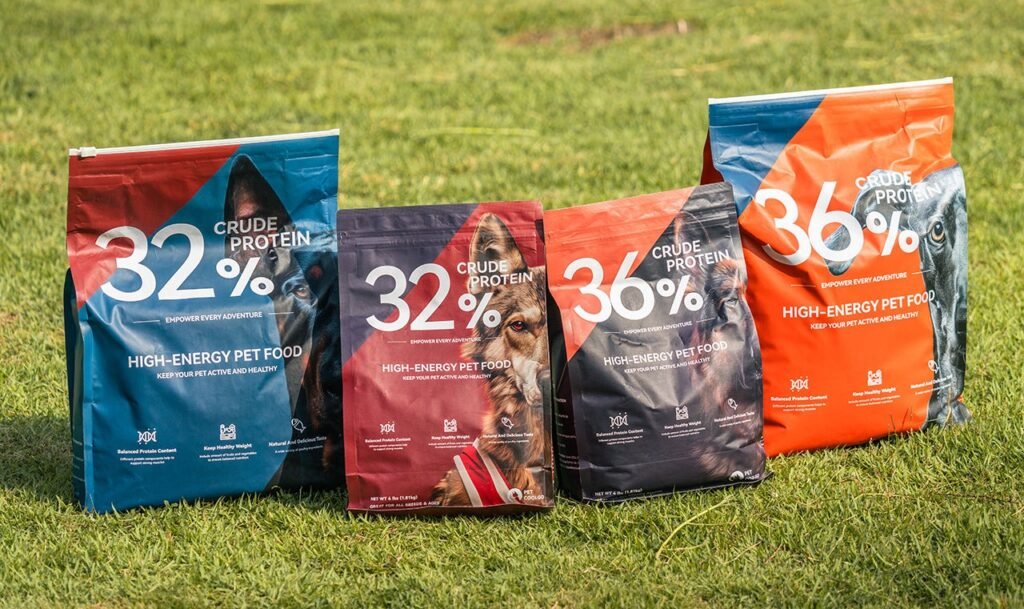
Formulations designed for active dogs offer particular advantages for rescued animals rebuilding strength and stamina. These specialized foods typically contain elevated protein levels—often 28-32%—from quality sources like chicken, turkey, or salmon, providing the amino acids necessary for muscle repair and development. Rescued dogs transitioning from sedentary shelter life to more active environments benefit from the increased caloric density, which supports healthy weight gain without requiring excessive portion sizes that might overwhelm sensitive digestive systems.
The carbohydrate profile in active dog formulas usually features complex sources like brown rice, oats, and sweet potatoes that deliver sustained energy rather than rapid spikes and crashes. This steady fuel supply helps rescued dogs maintain consistent energy levels throughout the day, supporting both physical activity and mental engagement during training and socialization. Many active formulas also incorporate joint-supporting ingredients like glucosamine and chondroitin, particularly valuable for rescued dogs whose previous neglect may have compromised skeletal health or those recovering from inadequate nutrition during critical growth periods.
Muscle Support
Rescued dogs often arrive significantly underweight with visible muscle wasting, making muscle support a critical nutritional priority. Premium dry foods addressing this need feature high concentrations of complete proteins containing all essential amino acids—particularly leucine, which plays a central role in muscle protein synthesis. Look for formulas listing multiple animal protein sources within the first five ingredients, as this variety ensures a comprehensive amino acid profile that supports efficient muscle rebuilding.
L-carnitine appears in many muscle-support formulations, facilitating the conversion of fat into energy while promoting lean muscle development rather than fat deposition. This proves especially valuable for rescued dogs who need to gain weight in healthy proportions. Quality muscle-support foods also contain balanced calcium and phosphorus ratios to ensure that as dogs rebuild body mass, their skeletal structure receives adequate support. The combination of concentrated protein, targeted amino acids, and metabolic supporters allows rescued dogs to regain healthy body condition more rapidly while establishing the physical foundation necessary for long-term wellbeing and activity.
Healthy Digestion
Digestive health represents perhaps the most immediate concern when feeding rescued dogs, as stress, parasites, and inconsistent previous diets frequently compromise gastrointestinal function. Premium dry foods formulated for digestive support incorporate prebiotics like chicory root and fructooligosaccharides that feed beneficial gut bacteria, helping restore healthy microbiome balance. Probiotics such as Lactobacillus and Bifidobacterium strains appear in advanced formulas, directly introducing beneficial bacteria that aid nutrient absorption and support immune function—approximately 70% of which originates in the gut.
Fiber content requires careful balance in digestive-support formulas. Moderate levels from sources like beet pulp, pumpkin, and psyllium promote healthy stool formation and regular bowel movements without causing excessive bulk that might trigger diarrhea in sensitive systems. Easily digestible carbohydrates like white rice or oatmeal provide energy without taxing compromised digestive tracts. Many digestive-focused foods also exclude common allergens such as corn, wheat, and soy, reducing inflammation triggers. Digestive enzymes like protease, amylase, and lipase may be added to assist in breaking down proteins, carbohydrates, and fats, maximizing nutrient extraction from each meal—a crucial advantage when working with dogs whose absorption capabilities may be impaired.
Dog Nutrition
Comprehensive canine nutrition extends beyond protein and fat to encompass the full spectrum of vitamins, minerals, and micronutrients that support every bodily system. Rescued dogs particularly benefit from formulas rich in antioxidants like vitamins E and C, which combat oxidative stress accumulated during periods of poor nutrition and help rebuild immune defenses. B-complex vitamins support energy metabolism and nervous system function, addressing the physical manifestations of stress that many rescued dogs exhibit.
Essential fatty acids deserve special attention in rescue nutrition programs. Omega-3 fatty acids from fish oil or flaxseed reduce inflammation throughout the body, support cognitive function, and dramatically improve coat quality—often one of the most visible indicators of nutritional status. The ideal omega-6 to omega-3 ratio falls between 5:1 and 10:1, promoting anti-inflammatory benefits without excess. Mineral balance proves equally important; zinc supports skin healing and immune function, while selenium works synergistically with vitamin E as an antioxidant. Iron helps rescued dogs overcome anemia common in malnourished animals. A truly complete nutritional profile addresses not just caloric needs but provides the micronutrient foundation necessary for cellular repair, immune restoration, and the return to optimal health that every rescued dog deserves. Brands like PetCoolGo have developed formulations that address these comprehensive nutritional requirements, making it easier for rescue organizations to provide balanced nutrition during the critical recovery phase.
Choosing the Right Nutrition for Rescued Dogs
Providing optimal nutrition for rescued dogs represents one of the most impactful investments rescue organizations can make in their rehabilitation programs. The right dry food addresses multiple recovery needs simultaneously—rebuilding compromised immune systems, restoring healthy body weight, supporting digestive healing, and providing the energy foundation necessary for emotional recovery. Quality nutrition accelerates the transformation from traumatized, malnourished animals into healthy, adoptable companions ready for their forever homes.
While budget constraints present real challenges for rescue organizations, the brands and formulations discussed here demonstrate that nutritional excellence remains achievable through strategic selection. Focus on nutrient density rather than price per bag, seek out manufacturer partnership programs, and prioritize formulas specifically addressing the digestive sensitivity, muscle rebuilding, and comprehensive nutritional support that rescued dogs require. The investment in premium dry food reduces veterinary costs, shortens recovery times, and improves adoption outcomes—creating value that extends far beyond the food bowl.
Take action today by evaluating your current feeding program against these guidelines. Contact manufacturers directly to explore rescue discounts, consult with veterinary nutritionists about your specific population’s needs, and commit to providing the nutritional foundation these deserving animals need to thrive. Every rescued dog deserves the chance to flourish, and it starts with what you put in their bowl.