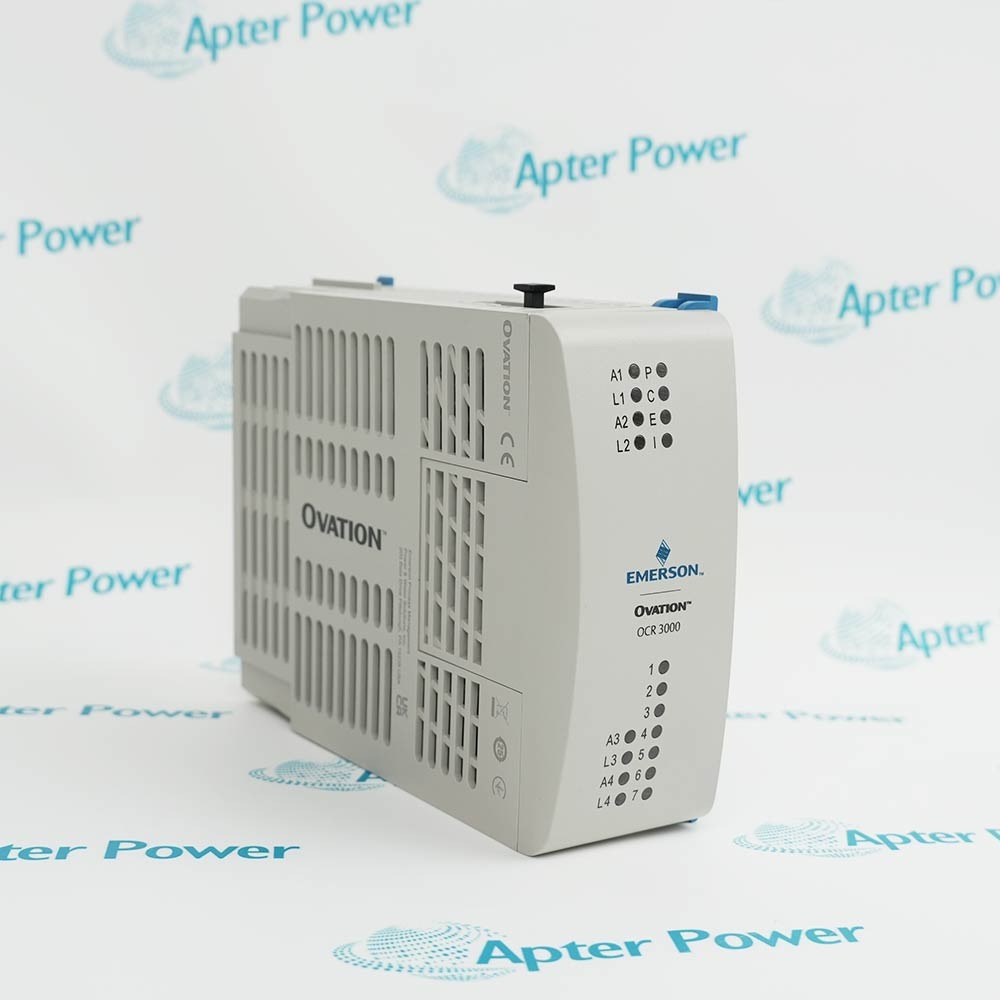
When critical automation control components like the Emerson 5x00875g01 reach end-of-life status, maintenance managers face a pressing dilemma that can halt production lines and drain budgets. Discontinued parts create immediate operational risks, forcing facilities to scramble for solutions while equipment sits idle and deadlines loom. The challenge extends beyond simple replacement—finding components that maintain system integrity, meet safety standards, and arrive quickly enough to minimize downtime requires strategic planning and reliable sourcing channels. For maintenance managers overseeing manufacturing operations, every hour of equipment downtime translates to lost revenue and missed production targets. Refurbished Emerson parts have emerged as a practical solution, offering authentic components that have been restored to operational standards at a fraction of new equipment costs. Understanding where to find these parts, how to verify their quality, and what alternatives exist when sourcing becomes impossible can mean the difference between a minor maintenance event and a costly operational crisis.
Understanding the Challenges of Discontinued Emerson Parts
Emerson discontinues components like the 5x00875g01 for several business reasons—advancing technology makes older models obsolete, regulatory changes demand updated designs, or manufacturing costs become unsustainable for low-volume parts. When a product line transitions to newer platforms, legacy components gradually phase out, leaving existing systems without official support channels. This planned obsolescence serves manufacturers’ innovation goals but creates significant headaches for facilities running reliable equipment that still has years of productive life remaining.
Maintenance managers face immediate pressure when these discontinuations occur. Production schedules don’t accommodate extended equipment downtime, yet sourcing authentic replacement parts becomes increasingly difficult as inventory depletes across authorized channels. The situation intensifies in facilities where the 5x00875g01 controls critical processes—a single failed component can idle entire production lines, triggering cascading delays that affect customer commitments and revenue targets. Budget constraints add another layer of complexity, as emergency procurement often means paying premium prices or expediting shipping costs that weren’t planned in quarterly maintenance budgets.
Using incompatible or substandard replacement parts introduces serious operational risks. Components that don’t meet original specifications can cause system malfunctions, create safety hazards, or damage connected equipment. Counterfeit parts occasionally enter supply chains, lacking proper quality control and potentially failing catastrophically under operational stress. Even well-intentioned substitutions from different manufacturers may have subtle compatibility issues—voltage tolerances, signal timing, or physical mounting differences that prevent proper integration. These risks make verification and sourcing strategy essential rather than optional considerations for maintenance operations.
Where to Find Refurbished Emerson 5x00875g01 Components
Specialized industrial automation suppliers focus exclusively on refurbished control system components, maintaining extensive inventories of discontinued Emerson parts. These suppliers acquire equipment from facility upgrades, decommissioned plants, and excess inventory liquidations, then refurbish components to operational standards. Companies like Worldwide Electric Corporation, Radwell International, Apter Power, and PLC Center have built reputations around serving legacy automation systems, often maintaining stock of parts that disappeared from authorized channels years ago. Their technical staff typically understand system compatibility requirements and can verify whether specific components will integrate with your existing configuration.
Online marketplaces provide broader access to discontinued parts through platforms connecting buyers with multiple sellers simultaneously. eBay’s industrial equipment section hosts numerous vendors specializing in automation components, while platforms like Obsolete Parts Network and PLCsurplus aggregate listings from multiple sources. These marketplaces allow price comparison and availability checks across dozens of suppliers within minutes, though buyer diligence becomes essential since seller reliability varies significantly. Industrial surplus channels offer another avenue—companies like Apex Industrial Surplus and Capital Recovery Group acquire entire facility inventories during plant closures or equipment upgrades, occasionally yielding substantial quantities of specific components at competitive pricing.
Evaluating Refurbished Part Quality
Quality verification starts with understanding what refurbishment actually entails for the specific component. Reputable suppliers perform functional testing that simulates operational conditions, checking electrical specifications, signal integrity, and mechanical operation against original manufacturer standards. Request documentation showing test results—voltage outputs, response times, and load handling capabilities should match published specifications for the 5x00875g01. Visual inspection matters as well; components should show proper cleaning, intact labeling, and no signs of physical damage like cracked housings or corroded contacts.
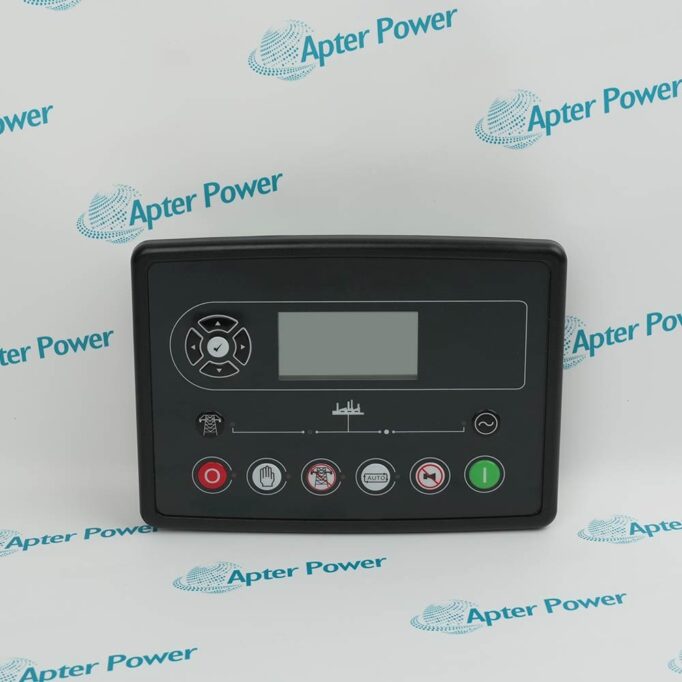
Certifications provide additional confidence when evaluating suppliers. ISO 9001 certification indicates established quality management systems, while specific automation industry certifications demonstrate technical competency. Warranty terms reveal supplier confidence in their refurbishment process—reputable vendors typically offer 12 to 18-month warranties on refurbished components, comparable to new part coverage. Ask about failure rates and return policies before committing to large orders, and consider ordering a test unit first when establishing relationships with unfamiliar suppliers.
Alternative Solutions When Parts Are Unavailable
Cross-referencing compatible parts from other manufacturers requires careful technical analysis but can unlock alternative sourcing options when Emerson-specific components remain elusive. The 5x00875g01’s functional specifications—input/output parameters, communication protocols, and physical dimensions—serve as the foundation for identifying potential substitutes. Contact manufacturers like Allen-Bradley, Siemens, or Schneider Electric with detailed specifications to determine if their product lines include functionally equivalent components. Technical support teams can often identify drop-in replacements or suggest minor system modifications that accommodate alternative parts without compromising operational integrity. Document any cross-referenced alternatives in your maintenance records so future sourcing becomes faster when similar situations arise.
Upgrading to newer Emerson models presents an opportunity to improve system capabilities while solving immediate availability problems. Emerson’s current product lines often include backward-compatible components designed to interface with legacy systems, providing enhanced features like improved diagnostics, extended temperature ranges, or faster processing speeds. Contact Emerson’s technical support or authorized distributors to discuss migration paths from the 5x00875g01 to current equivalents. While upgrades typically involve higher initial costs than refurbished parts, they extend equipment lifespan and may include manufacturer support that discontinued components lack. Evaluate whether the timing aligns with planned system improvements or if budget constraints make refurbished options more practical for immediate needs.
Custom fabrication becomes viable for components with simple functionality or when multiple identical failures suggest ongoing vulnerability. Specialized electronics repair facilities can reverse-engineer circuit boards, replace failed components, or fabricate mechanical assemblies based on original specifications. This approach works best for components with straightforward designs rather than complex integrated circuits or proprietary firmware. Companies like Precision Electronic Services and Advanced Industrial Services offer custom repair and fabrication for industrial automation equipment. While custom work requires longer lead times and higher per-unit costs, it provides solutions when no other sourcing channels yield results and can establish repair capabilities for future incidents involving the same component.
Best Practices for Sourcing Discontinued Parts
Establishing relationships with multiple reliable suppliers creates a safety net when urgent component needs arise. Rather than scrambling during equipment failures, maintain contact with three to five vendors who specialize in refurbished Emerson automation parts. Request periodic inventory updates from these suppliers, particularly for components critical to your operations like the 5x00875g01. Many suppliers offer notification services that alert you when specific parts become available, allowing you to purchase proactively rather than reactively. Evaluate suppliers based on response times, technical knowledge, and willingness to provide detailed component history—vendors who can explain where parts originated and what refurbishment processes were applied demonstrate transparency that correlates with reliability. Attend industry trade shows where automation suppliers exhibit, providing opportunities to meet technical representatives face-to-face and establish personal connections that facilitate faster communication during emergencies.
Implementing a strategic inventory approach for obsolete parts prevents crisis situations before they develop. Conduct a comprehensive audit of your automation systems to identify all discontinued components currently in operation, then assess failure probability based on equipment age, operating conditions, and historical maintenance records. Purchase spare units for high-risk components while refurbished inventory remains available, even if immediate replacement isn’t necessary. Calculate inventory levels by balancing carrying costs against downtime expenses—for critical components like the 5x00875g01 that could halt production lines, maintaining two spare units typically justifies the investment. Create a tracking system that documents spare part locations, acquisition dates, and supplier sources, ensuring maintenance teams can locate components quickly during equipment failures.
Proactive monitoring of manufacturer product lifecycles allows you to anticipate discontinuations before they create operational vulnerabilities. Subscribe to Emerson’s technical bulletins and product notifications that announce end-of-life dates for automation components. When discontinuation notices arrive, immediately assess how the affected parts integrate into your systems and develop sourcing strategies before authorized inventory depletes. Consider participating in industry forums and professional networks where maintenance managers share information about part availability and supplier experiences. This collective knowledge often provides early warnings about supply chain constraints and alternative sourcing options that individual facilities might not discover independently. Budget annual allocations specifically for obsolete part procurement, treating it as preventive maintenance rather than reactive emergency spending that strains quarterly financial plans.
Strategic Sourcing for Long-Term Operational Success
Sourcing discontinued Emerson 5x00875g01 components presents significant challenges for maintenance managers, from navigating depleted supply chains to verifying component authenticity and managing budget constraints during urgent procurement situations. Refurbished parts from specialized industrial automation suppliers offer a practical middle ground, delivering authentic components at reduced costs while maintaining operational reliability when properly vetted through quality certifications and functional testing. The strategic approach combines multiple sourcing channels—specialized refurbishment vendors, online marketplaces, and industrial surplus networks—with proactive inventory management that anticipates component failures before they create production crises. When direct replacements remain unavailable, cross-referencing compatible alternatives, evaluating system upgrades, or exploring custom fabrication expands your options beyond simple part replacement. Building relationships with reliable suppliers, maintaining strategic spare inventories for critical components, and monitoring manufacturer product lifecycles transforms reactive emergency procurement into planned maintenance activities that protect production schedules and control costs. The facilities that maintain operational continuity despite component discontinuations are those that treat obsolete part sourcing as an ongoing strategic priority rather than an occasional crisis, ensuring that aging but productive automation systems continue delivering value long after manufacturers shift focus to newer technologies.