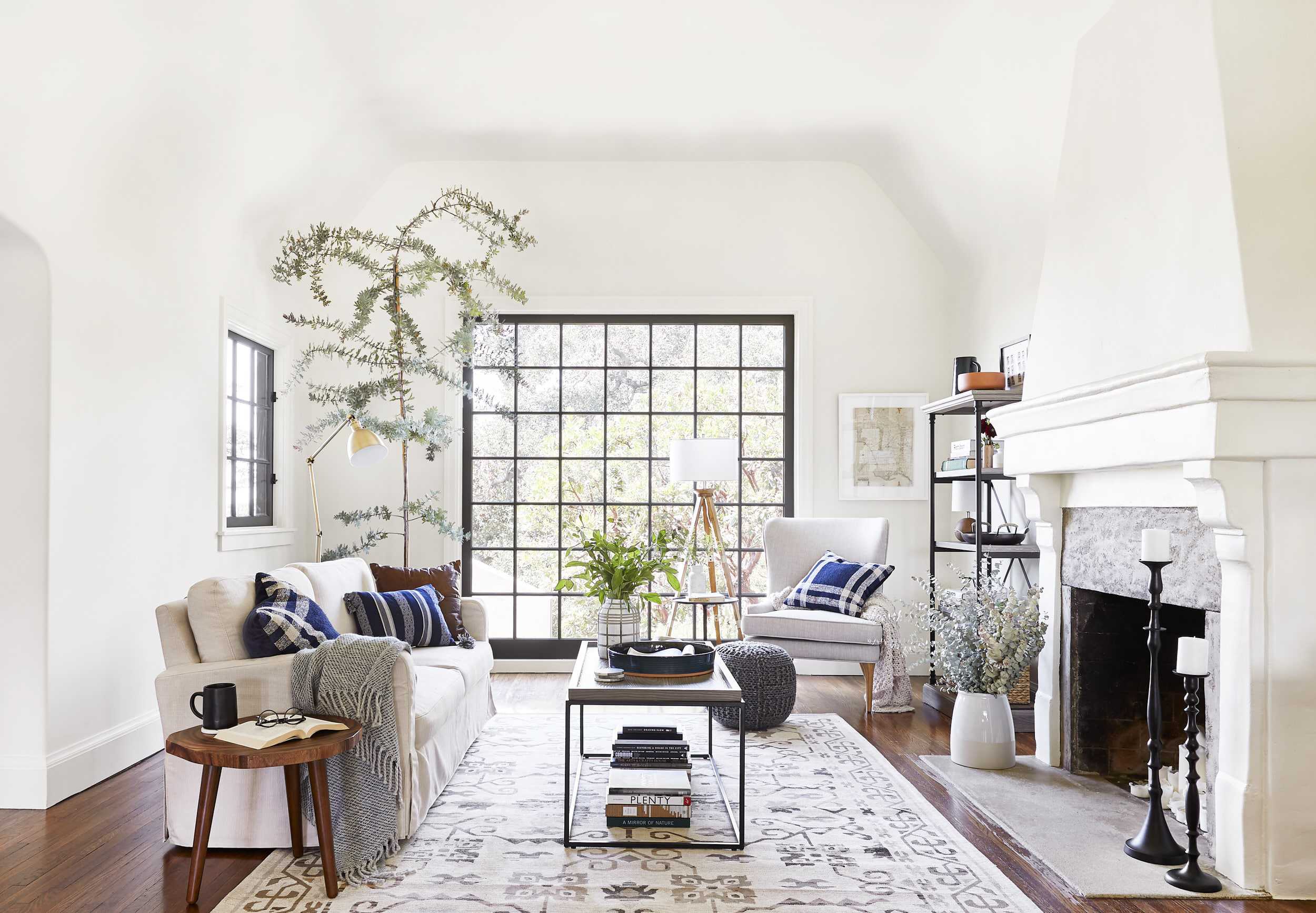
Moving to Henderson brings a mix of excitement and practical decisions, and furniture budgeting is one of the most consequential. Housing styles vary widely, from apartments and townhomes to single-family residences, and each comes with different furnishing needs. RC Willey is often cited by new residents as a reference point during this transition, largely because budgeting for furniture here requires balancing immediate needs with long-term planning. A thoughtful approach can prevent overspending while ensuring your new home feels functional and comfortable from the start.
Furniture budgeting isn’t about finding the cheapest options available. It’s about allocating resources in a way that reflects how you’ll actually live in your space.
Understand Henderson’s Housing Landscape
Before setting a furniture budget, it helps to understand the type of home you’re moving into. Henderson homes often feature open living areas, smaller secondary rooms, and outdoor-adjacent spaces like patios or balconies. These characteristics influence how much furniture is needed and where spending matters most.
For example, open-plan living rooms may require fewer pieces but higher-quality seating, while homes with multiple bedrooms may demand a more distributed budget. Knowing your layout helps prevent buying furniture that doesn’t fit spatially or functionally.
Start With a Realistic Total Budget
Furniture budgets should be grounded in overall moving costs. Between deposits, utilities, and relocation expenses, furniture spending must fit within a broader financial picture.
A practical approach is to define a total furniture budget first, then divide it by room priority. This prevents impulse purchases from consuming funds needed for essentials. Budgeting upfront also creates clearer expectations and reduces post-move financial stress.
Prioritize Essential Rooms First
Not every room needs to be fully furnished immediately. Most Henderson movers find it helpful to prioritize rooms based on daily use.
Living rooms and bedrooms typically come first, as they directly affect comfort and routine. Dining areas, home offices, and guest rooms can often be furnished gradually. This staged approach allows you to spread costs over time while making more informed decisions.
Furniture budgeting works best when it follows actual usage patterns rather than aesthetic ideals.
Account for Space Constraints and Scale
Buying furniture that doesn’t fit the space is an expensive mistake. Oversized pieces not only disrupt layouts but may need to be replaced or returned, adding unforeseen costs.
Measuring rooms, doorways, and access points before purchasing helps avoid these issues. Henderson homes vary in ceiling height, hallway width, and storage capacity, all of which affect what furniture works.
Budgeting should include the cost of furniture that fits properly, not just furniture that looks appealing.
Balance Quality and Longevity
One of the biggest budgeting challenges is deciding where to invest and where to save. High-use items like sofas, mattresses, and dining chairs generally benefit from higher-quality construction. These pieces experience daily wear and are more expensive to replace frequently.
Lower-use items, such as accent tables or occasional seating, can often be more budget-friendly without sacrificing overall functionality. Allocating more funds to pieces that anchor daily life leads to better long-term value.
Don’t Forget Delivery and Assembly Costs
Furniture budgets often overlook delivery and assembly, but these costs add up quickly. In Henderson, delivery logistics can vary depending on neighborhood layout, stairs, or gated access.
Including these costs in your budget prevents last-minute surprises. Some furniture may require professional assembly, especially larger or more complex items. Planning for this upfront keeps your overall budget accurate.
Factor in Climate and Lifestyle Considerations
Henderson’s climate plays a role in furniture durability. Dry air and strong sunlight can affect materials over time, influencing how often furniture needs to be replaced.
Budgeting for materials that withstand these conditions can reduce long-term costs. For example, choosing upholstery that resists fading or finishes designed for temperature stability may cost more initially but save money over years of use.
Lifestyle also matters. Households with children, pets, or frequent guests may need to budget for more durable or easily maintained furniture.
Plan for Flexibility and Future Changes
Many people moving to Henderson are relocating for work, family, or lifestyle changes. Furniture needs may evolve as routines settle in.
Budgeting with flexibility in mind allows for future adjustments without financial strain. Modular furniture, expandable tables, or neutral foundational pieces adapt more easily to changing needs.
Avoid allocating your entire budget at once. Leaving room for future purchases gives you options as your living patterns become clearer.
Common Budgeting Pitfalls to Avoid
One frequent mistake is spending too much early on decorative pieces while neglecting functional essentials. Another is underestimating how much furniture is actually needed, leading to rushed purchases later.
Impulse buying during move-in periods can also strain budgets. Taking time to live in the space before finalizing certain purchases often leads to better decisions.
Furniture budgeting rewards patience more than speed.
Benefits of a Structured Furniture Budget
A clear budget reduces stress and improves decision-making. It allows you to compare options objectively and avoid emotional purchases that don’t align with your needs.
Over time, a structured approach leads to furniture collections that feel cohesive rather than pieced together. It also minimizes waste by reducing replacements caused by poor initial choices.
Limitations to Keep in Mind
Even with careful planning, unexpected needs may arise. Budgeting is a guide, not a rigid rulebook. Some adjustments are inevitable, especially during a major move.
The key is maintaining overall balance rather than reacting impulsively to every new need.
Getting Local Perspective in Henderson
Local insight can be valuable when budgeting for furniture. Visiting a furniture store in Henderson allows new residents to compare price ranges, understand scale, and see materials firsthand. With experience serving Henderson’s diverse housing styles, RC Willey offers context that helps movers align their furniture budgets with real-world living conditions, not just initial expectations.