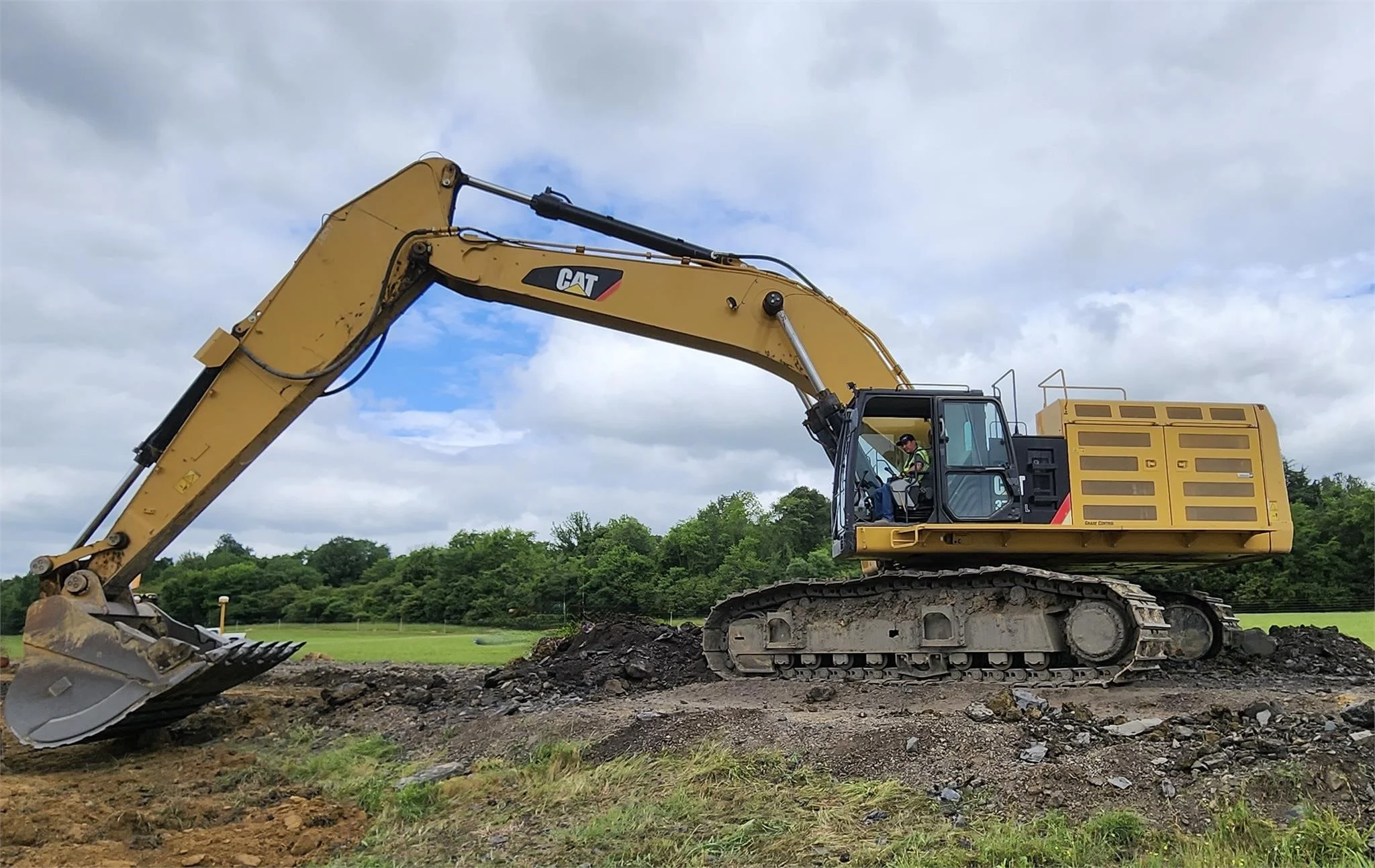
Most excavator stoppages trace back to two systems—hydraulics and electrics. This guide shows contractors and fleet managers how to use simple data (pressure/flow/leak numbers and pin-to-pin checks) to spot failures early, make smarter replace-vs-repair calls, and keep jobs on schedule.
Why “Run to Failure” Is Expensive (and Easy to Fix)
Unplanned downtime rarely equals one repair bill. It triggers idle crews, rescheduled concrete, standby trucks, and contractual penalties. In cost reviews, an hour of downtime often prices out at 2–4× the shop invoice. The fix is not a bigger budget—it’s predictable checks and faster parts decisions.
Part 1 — Hydraulics: Test What Actually Matters
The 10-Minute Triage
- Warm up to operating temperature
- Stall test and record working pressure vs. spec
- Flow snapshot under load (watch for unstable readings)
- Heat check: tank/return temps rising fast = inefficiency
- Listen for cavitation; verify tank breather is clear
Early Warning Signs of a Tired Main Pump
- Slow cycles and weak breakout force at normal throttle
- Working pressure below spec despite correct settings
- Rising hydraulic temperature at steady workloads
- Oil sample shows metallic sheen/abnormal debris
What to log (and keep):
- Pressure (bar/psi), flow (L/min/GPM), ambient temp, and test conditions
- Filter cut-open photos (debris patterns tell a story)
- Case drain checks and hose/bend-radius inspections
Replace vs. Repair Rule of Thumb:
If pressure/flow are consistently under spec and heat climbs at modest load, chasing valves and sensors is a false economy. Plan a direct-fit main pump replacement.
Part 2 — Electrics: Engine Wiring Harness Without the Guesswork
Failure Patterns You Can Predict
- Intermittent ECU faults or drifting sensor values
- Brittle loom/cracked insulation near hot zones (turbo/manifold)
- Moisture ingress at connectors after rain/washdowns
Pin-to-Pin = Fewer “Ghost” Faults
- Map critical branches; test continuity and resistance end-to-end
- Verify ground integrity and voltage drop under load
- Standardize IP-rated connectors and heat-resistant sleeves
- Avoid long splices in high-heat areas; reroute/clip to reduce chafe
For reference materials, fitment notes, and QC/testing practices around excavator hydraulic main pumps and engine wiring harnesses, many fleets keep a short list of manufacturer sites handy—one practical starting point is Topvelsun Machinery, which maintains category overviews, testing summaries (pressure/flow/leak; pin-to-pin), and compatibility information you can consult during planning.
A Maintenance Rhythm That Sticks (No Big Software Needed)
Daily (operator, 5–7 min)
- Walk-around: leaks, loose fittings, harness chafe points
- Fluids at spec; grease per chart; note new noises/warnings
Weekly (site lead, 15–20 min)
- Case drain line and breather check; hose pinch points
- Battery/ground re-torque; code review—clear only after root-cause logged
500 h / Monthly (shop)
- Pressure/flow vs. baseline; record ambient/test loads
- Oil sampling + filter cut-open inspection
- Harness spot-checks on high-heat branches and connectors
1,000 h / Annual
- Full pin-to-pin on engine harness; replace compromised branches
- Replace high-risk hoses/clamps; update ECU firmware/calibrate sensors
Stock Smarter, Not Bigger
- Critical A (always on shelf): filters, common sensors, O-rings, fuses/relays
- Critical B (model family): one engine wiring harness for heat-prone models
- Strategic (lead-time): a main pump for highest-utilization machines or a written 7–10-day source you trust
Tie spares to model families rather than individual units to cut inventory cost.
Implementation Checklist (Copy/Paste)
- Create a one-page Machine Sheet: pressure/flow specs, test points, connector map, torque values, fluid capacities
- Baseline each machine after service; keep a photo of the test gauge readings
- Standardize IP-rated connectors, sleeves, and clips on hot zones
- Define go/no-go rules for heat + low pressure events (swap machine, stop work)
- Keep a vetted supplier list with written lead-times and QC/testing documentation
Mini Case: When “Cheap” Wasn’t Cheap
A mid-size contractor faced sluggish boom response and rising fuel burn on a busy site. Over three months they swapped sensors and cleaned coolers; cycle time kept degrading. One proper test showed the main pump was under spec. After a direct-fit replacement, cycle time improved 18%, fuel use dropped 9%, and the cost paid back in six weeks. Measurement beat guesswork.
Takeaway
You don’t have to overhaul your whole program to see results. Start with one model, one checklist, and two numbers (pressure & flow). Protect a few wires, decide faster on replacements, and most downtime becomes predictable—and avoidable.