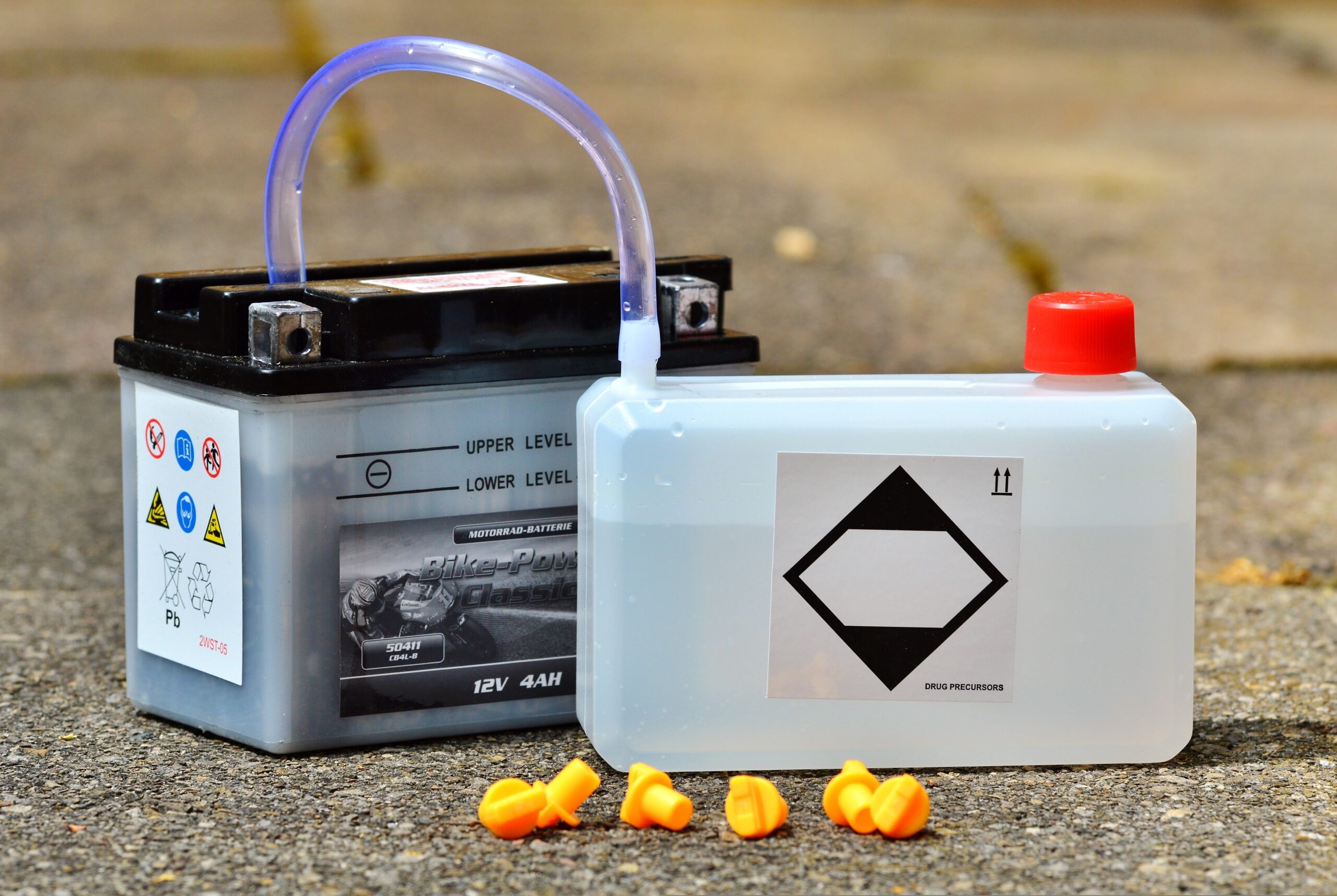
In today’s world, energy storage systems (ESS) have become an essential component for various industries, ranging from renewable energy to electric vehicles. These systems are responsible for storing and supplying power, which makes their reliability critical.
As energy demands grow and storage technology advances, ensuring that these systems operate optimally is more important than ever. One key aspect of maintaining a well-functioning energy storage system is regular testing of the batteries.
To achieve accurate results and reliable performance, selecting the right battery testing equipment is necessary. The right tools not only ensure that batteries are working efficiently but also help in identifying potential issues before they become costly problems. But with so many options available, how can you determine which equipment is best suited for your specific needs?
Understanding the Importance of Battery Testing
Before diving into the specifics of choosing the right battery testing equipment, it’s essential to understand why regular testing is necessary. Batteries, like any other component, degrade over time.
Their performance can be affected by several factors, such as temperature, charge/discharge cycles, and age. If left unchecked, performance degradation could lead to inefficient energy storage, higher operational costs, or even complete battery failure when it’s needed the most.
By investing in reliable testing equipment, operators can gain insights into the health of their batteries, track their performance over time, and identify any weaknesses. Timely detection of issues can extend the lifespan of batteries, improve efficiency, and avoid unexpected downtime, thus ensuring smooth operations for your energy storage system.
Key Factors to Consider When Choosing Battery Testing Equipment
Selecting the appropriate battery testing equipment depends on a variety of factors. From the type of battery you’re testing to the specific requirements of your energy storage system, here are the key factors to consider before making a purchase:
1. Battery Type and Application
Not all batteries are created equal. Different types of batteries, such as lead-acid, lithium-ion, or nickel-based batteries, have unique characteristics and performance criteria. The battery testing equipment you choose must be compatible with the type of battery used in your energy storage system.
For example, testing lithium-ion batteries requires different tools and techniques than testing lead-acid batteries. Similarly, the equipment used for residential battery storage systems might differ from that used in commercial or industrial-scale setups.
- Lead-Acid Batteries: These are typically more affordable and widely used in backup power applications. Battery and cell test equipment for lead-acid batteries often focuses on parameters like voltage, capacity, and internal resistance.
- Lithium-Ion Batteries: These are popular in renewable energy applications due to their higher energy density and longer lifespan. Testing these batteries requires more advanced equipment to monitor parameters like charge cycles, thermal conditions, and overall health.
- Nickel-based Batteries: Used in specific energy storage systems, these batteries also require specialized equipment to measure their voltage and internal resistance.
2. Accuracy and Precision
Accuracy is a non-negotiable feature when selecting battery testing equipment. Inaccurate readings can lead to poor decision-making, such as prematurely replacing a battery or failing to identify an issue that requires immediate attention. High-quality testing equipment provides precise readings, allowing you to monitor voltage levels, charge capacity, and other performance metrics with confidence.
Testing equipment with high precision is especially important when dealing with large-scale energy storage systems, where even minor discrepancies can lead to inefficiencies or downtime. A battery and cell test equipment that provides consistent and accurate readings will help you ensure the system operates at its maximum potential.
3. Data Logging and Analysis Capabilities
Modern battery testing equipment goes beyond just providing test results. Many advanced testers come equipped with data logging and analysis capabilities, allowing you to monitor battery performance over time.
This feature is particularly useful for energy storage systems that operate in high-demand environments. By storing historical data, you can track battery degradation trends, make informed decisions about maintenance schedules, and predict when batteries may need replacing.
Advanced analysis features also help detect any irregular patterns that could signal impending failure. For example, if a battery’s performance degrades suddenly during a particular load test, it may indicate an underlying issue that needs to be addressed. The ability to analyze trends over time helps extend the lifespan of batteries and boosts the overall performance of your energy storage system.
4. Ease of Use and Integration with Existing Systems
A crucial aspect of selecting battery testing equipment is how user-friendly the tools are. Complicated equipment can create unnecessary friction, leading to errors or delays in testing. It’s also essential that the testing equipment integrates smoothly with your existing energy management system. This integration allows for streamlined operations and a more comprehensive understanding of your battery health across the board.
When choosing testing equipment, look for options that have intuitive interfaces, are easy to calibrate, and can be operated with minimal training. Additionally, the equipment should be compatible with your system’s software for seamless data transfer and analysis.
Types of Battery Testing Equipment
Now that you have a better understanding of the factors to consider, let’s explore some of the most common types of battery testing equipment available on the market.
Digital Multimeters
One of the most basic and widely used tools for testing batteries is the digital multimeter. While they may not provide in-depth analysis like more specialized equipment, digital multimeters are reliable for checking the voltage of a battery. These devices are affordable, easy to use, and portable, making them ideal for quick, on-the-go testing.
However, for comprehensive testing of energy storage systems, you might require more advanced tools, as multimeters typically do not measure critical parameters like internal resistance or charge/discharge cycles.
Battery Capacity Testers
For more accurate and thorough testing, battery capacity testers are ideal. These devices measure the actual capacity of the battery under load, providing detailed information about the health of the battery. Unlike a digital multimeter, which simply measures voltage, a battery capacity tester helps determine how much energy a battery can deliver and whether it’s capable of meeting the system’s demands.
These testers are especially useful for monitoring larger, more complex energy storage systems, where the health of multiple batteries needs to be assessed simultaneously.
Automated Battery Testers
In larger energy storage setups, manual testing with handheld tools may not be sufficient. Automated battery testing equipment comes with advanced features like automated testing cycles, remote monitoring, and comprehensive data analysis. These systems allow you to test multiple batteries simultaneously and receive real-time updates about their performance.
Automated testers are typically used in commercial and industrial applications where testing efficiency and comprehensive data logging are crucial.
Internal Resistance Meters
Internal resistance meters are designed to measure the internal resistance of a battery, which is a critical factor in determining its health. High internal resistance often indicates that a battery is deteriorating or has been overcharged. These meters provide accurate readings that can help prevent potential battery failures by identifying weak cells before they cause issues.
Internal resistance testing is particularly important for batteries used in renewable energy systems and large-scale energy storage, where performance consistency is critical.
Conclusion: Choosing the Right Battery Testing Equipment
Selecting the right battery testing equipment for your energy storage system is not a decision to be taken lightly. A variety of factors, including battery type, testing accuracy, data logging capabilities, and ease of use, must all be considered to ensure reliable performance and optimal longevity for your batteries.
Whether you need simple testing equipment for individual batteries or more sophisticated battery and cell test equipment for large-scale energy storage systems, the goal is to find a solution that provides accurate, reliable results. By regularly testing and maintaining your batteries, you can extend their lifespan, improve system efficiency, and avoid costly interruptions.