A classroom used to mean a teacher, a blackboard, and rows of students taking notes. That picture looks very different now. Digital platforms, connected devices, and online resources have become part of how students learn, and none of it works without a stable network underneath. What was once contained to a single room has expanded across entire campuses, and the infrastructure holding it together has had to expand too.
This did not happen all at once, but the pace has picked up considerably over the last few years. Schools and universities now run lessons, assignments, research, and administrative work through their networks every single day. A campus Wi-Fi solution that institutions once treated as a nice-to-have has become the thing everything else depends on.
Why connectivity has become central to education
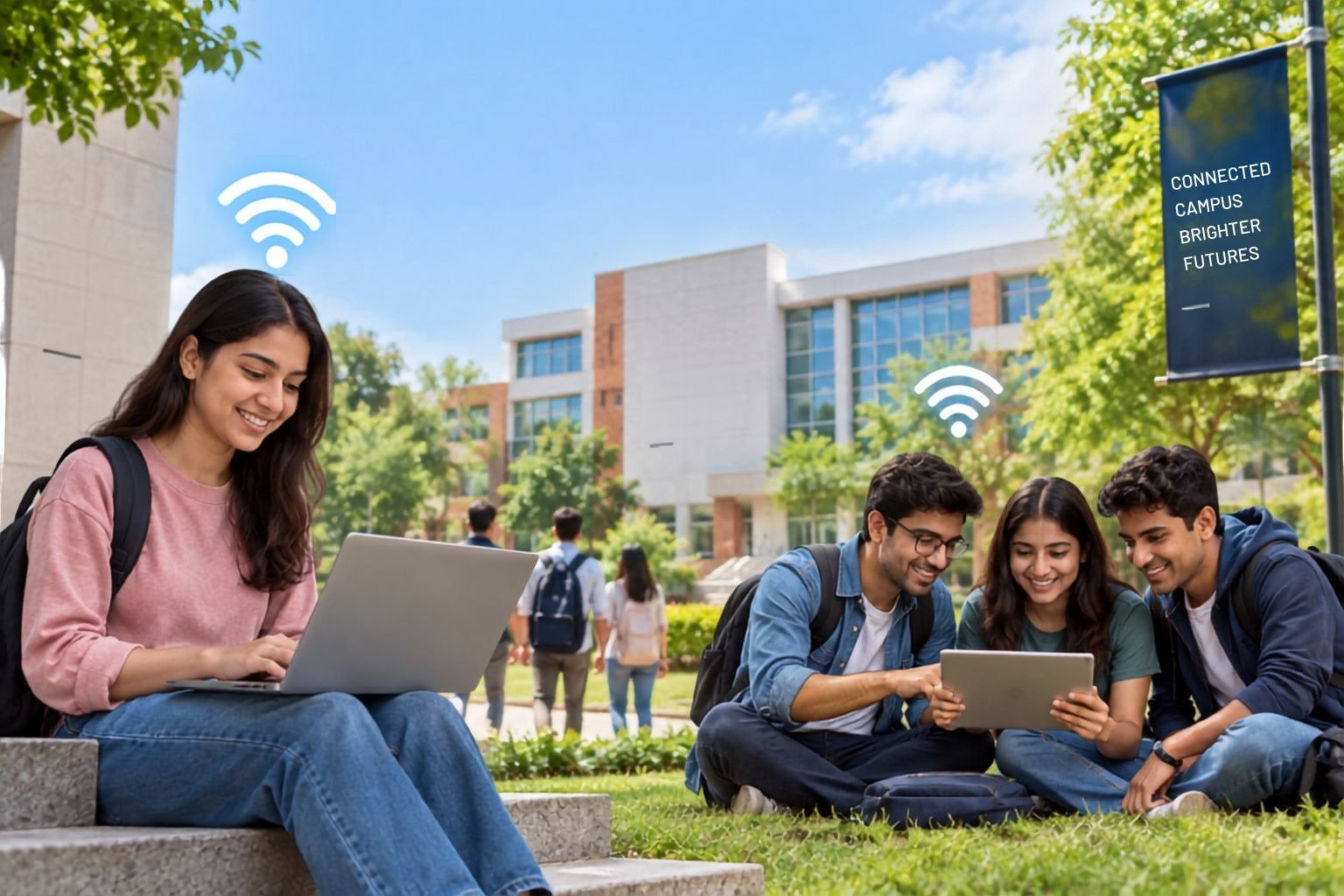
Students do not stop learning when they leave the classroom. They carry laptops, tablets, and phones everywhere on campus, and they expect to stay connected in a lecture hall just as much as in a hostel room or the library. Teachers post assignments online, run virtual sessions, and track how students are progressing through digital tools. If the network cannot keep up, none of this functions properly.
That demand has grown just as quickly as the technology students and staff rely on. A university with several thousand students connecting devices simultaneously needs infrastructure genuinely built for that scale, not a basic setup pushed past what it can handle. This is where wireless connectivity designed specifically for education starts to matter, because it decides whether a campus runs smoothly or spends its days fighting connectivity problems.
What modern campuses actually need from their network
- Coverage that does not have gaps: A network that works fine in the main academic block but drops out in the library or hostel is not solving the problem. Coverage needs to hold up consistently everywhere on campus, not just in the areas that got the most attention during setup.
- Enough capacity for real usage: Hundreds or thousands of devices online at once, streaming lectures, downloading course material, running video calls- all of this needs a network that does not buckle under the load.
- Security built around student and institutional data: Student records, research work, and administrative systems all sit on the same network. That network needs proper protection from the start, not something added later as an afterthought.
- Support that actually shows up when needed: A network outage means classes stop and staff cannot get their work done. Institutions need a provider that catches problems before they turn into a disrupted day.
Choosing the best Wi-Fi for schools and universities
Most network providers were built with offices in mind, not schools or universities. A campus does not behave like a corporate environment. Device usage looks different, security risks look different, and the number of people connecting at once creates challenges a standard business setup was never designed for.
The best Wi-Fi for schools tends to come from providers who have actually thought through what education needs, rather than repackaging a generic business plan. That means treating classrooms, hostels, libraries, and outdoor areas as one connected system, not a set of separate problems to patch individually.
Managed Wi-Fi services take this a step further by handling the network on the institution’s behalf entirely. Instead of a small internal IT team trying to monitor and secure a sprawling campus network by themselves, a managed service takes that responsibility on, detecting problems early and keeping things running without someone having to intervene manually every time something goes wrong.
How Spectra supports connected campuses
Spectra designs its connectivity specifically around what educational institutions actually need. Campus-wide Wi-Fi reaches classrooms, libraries, hostels, and shared spaces, so students and staff stay connected no matter where they are. Web filtering and network controls keep students away from inappropriate content and online threats without getting in the way of legitimate academic work.
Security goes beyond just filtering what students can access. A built-in security architecture protects institutional systems, student data, and every device connected to the network. Centralised management tools give IT teams one dashboard to monitor the whole campus, spot issues quickly, and manage several buildings without switching between different systems.
Institutions also get dedicated internet access built for the scale campuses actually operate at, backed by a formal SLA that guarantees uptime rather than just promising it. There is one point of accountability, so institutions are not stuck coordinating between different vendors when something breaks. And because campuses keep growing and adding new buildings, the network is designed to scale alongside them.
A dedicated network operations centre keeps watch around the clock, so problems get caught and fixed before they turn into a disrupted school day.
Building the connected campus of tomorrow
Education has moved well past the four walls of a classroom, and the network behind it needs to keep up with that shift. A strong campus Wi-Fi solution is not optional anymore. It is the foundation everything else- digital classrooms, research, daily campus life- is built on.
Institutions that invest properly in connectivity give their students and staff the ability to learn, teach, and work without constant interruption. As campuses keep getting more connected, choosing a partner who actually understands education, not just networking in general, makes a real difference.
Get in touch with Spectra today and build a campus network ready for the future of learning.