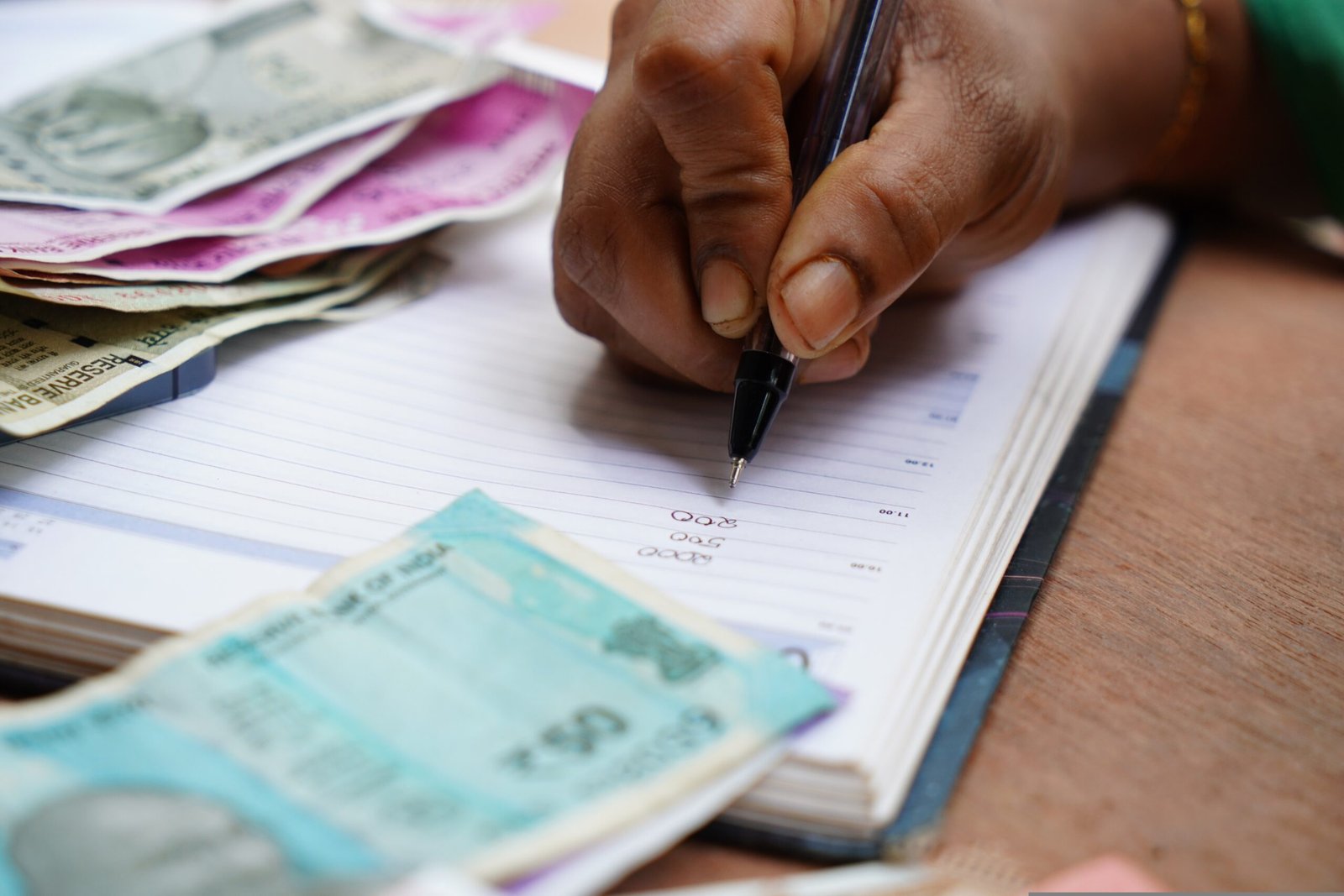
UPI is known as a payment system, the thing that lets you pay a vegetable seller or settle a bill with a tap. Its quieter revolution has been in borrowing. The same rails that moved everyday payments onto the phone have, in just a few years, changed who can get credit, how quickly, and how small a sum is worth lending at all.
The shift runs deeper than convenience. UPI didn’t simply move the loan application onto a screen; it changed the raw material lenders work with and reached people the old system had no way to serve.
UPI rewired more than payments
At its simplest, UPI made moving money instant and effectively free for almost anyone, and that turned out to matter enormously for lending. Once a loan can be disbursed to an account in seconds and repaid the same way, a whole class of borrowing that was previously too slow or too costly to bother with becomes practical.
But the bigger change was in information. Every UPI payment leaves a record, and in aggregate those records describe how a person earns, spends, and manages money over time. That stream of data became something lenders could read, and reading it let them make lending decisions they simply couldn’t have made before. A payments network quietly became one of the richest sources of credit information in the country.
How did UPI make more people creditworthy?
The traditional credit system had a blind spot: it could only judge people who already had a credit history. Someone with no past loan or card, a young earner, a gig worker, a small shopkeeper, was invisible to it, however reliably they actually handled money.
UPI filled in that blank. A consistent flow of payments in and out of an account is evidence of income and of steady financial behaviour, and lenders learned to use that transaction history to assess borrowers the old checks would have turned away. A street vendor taking payments by QR code now generates a record that can qualify them for credit. In effect, UPI gave millions of people a financial identity they could borrow against, built from everyday activity rather than formal history.
The rise of the small, instant loan
Cheap, instant rails also changed the size of a loan worth making. Lending a few thousand rupees for a few weeks was never worth the cost and effort under the old system, so that need went unmet or to informal moneylenders.
With UPI, tiny loans became viable, because disbursing and collecting them costs almost nothing and happens instantly. Small-ticket loans, pay-later options at checkout, and short bridging advances all grew out of that shift, repaid through automatic UPI mandates that pull the instalment on its due date. Borrowing became something you could do for a small, specific, short-term need, rather than only for a large one, which is a genuinely new kind of credit for most people.
Can you now borrow and spend straight from UPI?
Increasingly, yes, and it’s the most direct fusion of the two worlds. Regulators have allowed credit lines and certain credit cards to be linked to UPI, so the money you spend with a tap can be borrowed money drawn from a pre-approved limit rather than your own balance.
That means a sanctioned line of credit can sit inside your UPI app, ready to draw on any merchant that accepts a normal UPI payment, with no card to carry or separate checkout to navigate. Borrowing stops being a discrete event you apply for and becomes an option available at the point of spending. It’s convenient in a way that older credit never managed, and it collapses the distance between wanting something and financing it almost to nothing.
Who got pulled into formal credit
The people this reached are as significant as the mechanics. Small merchants who accept UPI build, without trying, a transaction record that qualifies them for working-capital loans they could never have documented before, funding stock or expansion from formal lenders instead of informal ones.
First-time borrowers, younger earners, and people in smaller towns entered the formal credit system through the same door. Because their creditworthiness could be read from their transactions rather than a history they didn’t have, lenders could reach them at a scale and cost that branch-based lending never allowed. A great deal of borrowing that used to happen off the books, at worse terms, moved into the regulated system as a result.
Has easier borrowing made us borrow too easily?
The same convenience that opened credit up carries an obvious risk. When a loan can be taken in seconds, from a phone, at the moment of temptation, it becomes as easy to borrow on impulse as out of genuine need, and pay-later offers at every checkout make small debts simple to accumulate without noticing.
That’s the trade-off riding alongside the gains. The speed that helps a shopkeeper fund stock also helps someone run up avoidable debt, and the ease that pulls millions into formal credit can pull the unwary into borrowing they don’t need. The infrastructure is neutral; it has made credit dramatically more available, and using that availability well now matters more than it did when borrowing was slow enough to force a second thought.