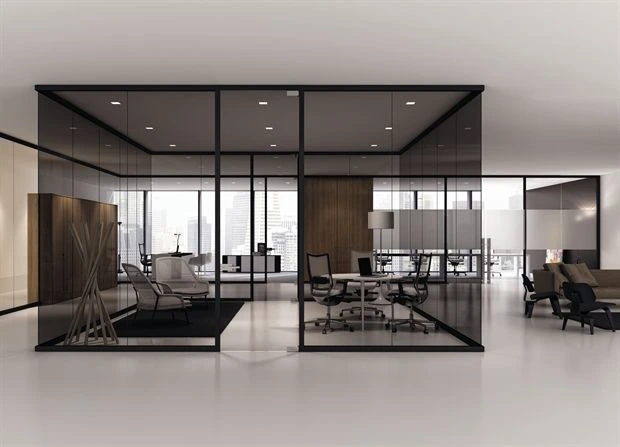
The desk had become something of an office joke. Not a cruel joke. Just one of those workplace realities everyone quietly accepted. New employees usually got assigned there first. Visitors occasionally sat there during meetings. Nobody complained directly, but if people had a choice, they tended to choose another seat.
By around two o’clock each afternoon, sunlight would pour through the western-facing windows. Laptop screens became harder to read. People adjusted blinds. Then adjusted them again. Someone would inevitably move to a meeting room for an hour.
The cycle repeated almost every day. Funny thing is, nobody considered it a major problem. Just an annoyance. One of those small workplace frustrations that becomes part of office life.
Months later, during a discussion about future building improvements, the topic resurfaced. Not because of the desk itself. More because several employees had started mentioning similar issues across different parts of the office. Heat. Glare. Constantly adjusting blinds.
That conversation eventually led somebody to mention Office Tinted Glass in Melbourne. Not as a sales pitch. Not as a grand solution. Simply as something another business had recently installed.
The room moved on to other topics. Budgets. Staffing. End-of-quarter planning. Still, the idea lingered. Sometimes that’s how workplace decisions begin. Not with urgency. With curiosity.
The Conversation Usually Starts Somewhere Else
Most businesses don’t wake up one morning determined to invest in Office Tinted Glass in Melbourne. The decision usually arrives through smaller conversations. A facilities manager notices recurring complaints. A business owner walks through the office during summer and realises half the blinds are closed despite having large windows designed to provide natural light. Someone mentions energy costs.
Another mentions comfort. A third talks about productivity. Nobody is discussing windows specifically. Not at first. They’re discussing everyday experiences. That’s probably why these conversations tend to feel surprisingly ordinary.
One Melbourne office manager described it perfectly. She said nobody ever called her to discuss glass. They called to discuss a meeting room that became uncomfortable in the afternoon. Or a workstation affected by glare.
Or a section of the office that seemed warmer than the rest. The discussion around office tinted glass in Melbourne emerged later. After people connected the dots. After enough small observations accumulated into a larger pattern.
Which sounds obvious when written down. But most workplace decisions happen that way. Gradually.
The Afternoon Problem Everyone Knew About
There is usually a moment when a workplace stops seeing something as normal and starts seeing it as solvable. It might take months. Sometimes years. One business owner recalled noticing employees constantly shifting positions during afternoon meetings. At first he assumed people were restless.
Later he realised everyone was avoiding direct sunlight. It was strange once he noticed it. Suddenly he saw it everywhere. Blinds partially closed. Staff moving desks temporarily. People searching for shaded corners during certain times of day.
Anyway, that observation triggered a broader conversation about workplace comfort. Not luxury. Comfort. The sort of thing that rarely appears in strategic plans but influences daily experience. The discussion eventually led towards Office Tinted Glass in Melbourne, largely because neighbouring businesses had already started making similar upgrades.
That seems to happen often. Commercial property decisions spread through conversations. One company tries something. Another notices. Then another begins asking questions. Not because they’re copying. Because they’re solving similar problems.
The interesting thing is that discussions about Office Tinted Glass in Melbourne rarely stay focused on windows for very long.
People start talking about employee experience. Building performance. Workspace design. How offices actually function throughout a normal working day. The glass becomes part of a much larger story.
The Spreadsheet Nobody Planned To Open
Many workplace upgrades begin with observations. Then somebody opens a spreadsheet. That’s usually the turning point. Not because spreadsheets are exciting. Nobody has ever described them that way. But they force conversations into practical territory.
A Melbourne business recently reviewed several building improvements they had postponed for years. During those discussions, Office Tinted Glass in Melbourne appeared alongside lighting upgrades, workspace adjustments, and other facility improvements.
What stood out wasn’t the glass itself. It was how often employees had already been discussing related issues. People had adapted to the environment. They always do. They moved desks. Adjusted blinds. Changed routines. Worked around the problem.
Humans are remarkably good at doing that. Sometimes too good. Because adaptation can make recurring frustrations seem normal. The review process revealed something interesting. Many of the concerns weren’t dramatic enough to trigger complaints.
They simply existed in the background. Day after day. Month after month. Which is why conversations about Office Tinted Glass in Melbourne often feel less like renovation discussions and more like workplace reflection.
Businesses start asking broader questions. What kind of environment are we creating? How do employees experience this space? What changes would actually make a difference? The answers vary from office to office.
Not Everybody Ends Up In The Same Place
Not every business that explores Office Tinted Glass in Melbourne makes the same decision. Some move forward immediately. Others prioritise different projects. Some combine window improvements with broader office upgrades. Others simply continue gathering information.
That’s probably not the point. The interesting part is the journey. The way workplace decisions evolve through conversations rather than sudden revelations. One employee mentions glare. Another mentions heat.
A manager notices patterns. A building owner starts asking questions. Before long, a discussion about office comfort turns into a discussion about Office Tinted Glass in Melbourne from My Tint. Not because anyone planned it. Because workplaces are collections of everyday experiences.
Small moments repeated hundreds of times. A screen that’s difficult to read. A blind that’s constantly adjusted. A meeting room that empties out on sunny afternoons. These things rarely seem important individually. Together, they shape how people experience a space.
Back at the office with the famous desk, the situation eventually changed. Months after that initial discussion, somebody walked past and realised something unexpected. The desk was occupied. Not because it was the only available seat.
Because somebody had chosen it. The afternoon sunlight still filled the room. Melbourne’s weather hadn’t changed. The view outside remained exactly the same. Yet the conversation about that particular desk quietly disappeared.
Which was interesting. For years it had been part of office folklore. Now people were discussing deadlines, client meetings, and weekend plans instead. The desk had become just another desk. And somewhere near the window, somebody glanced outside at the afternoon sun and carried on working without giving it a second thought.