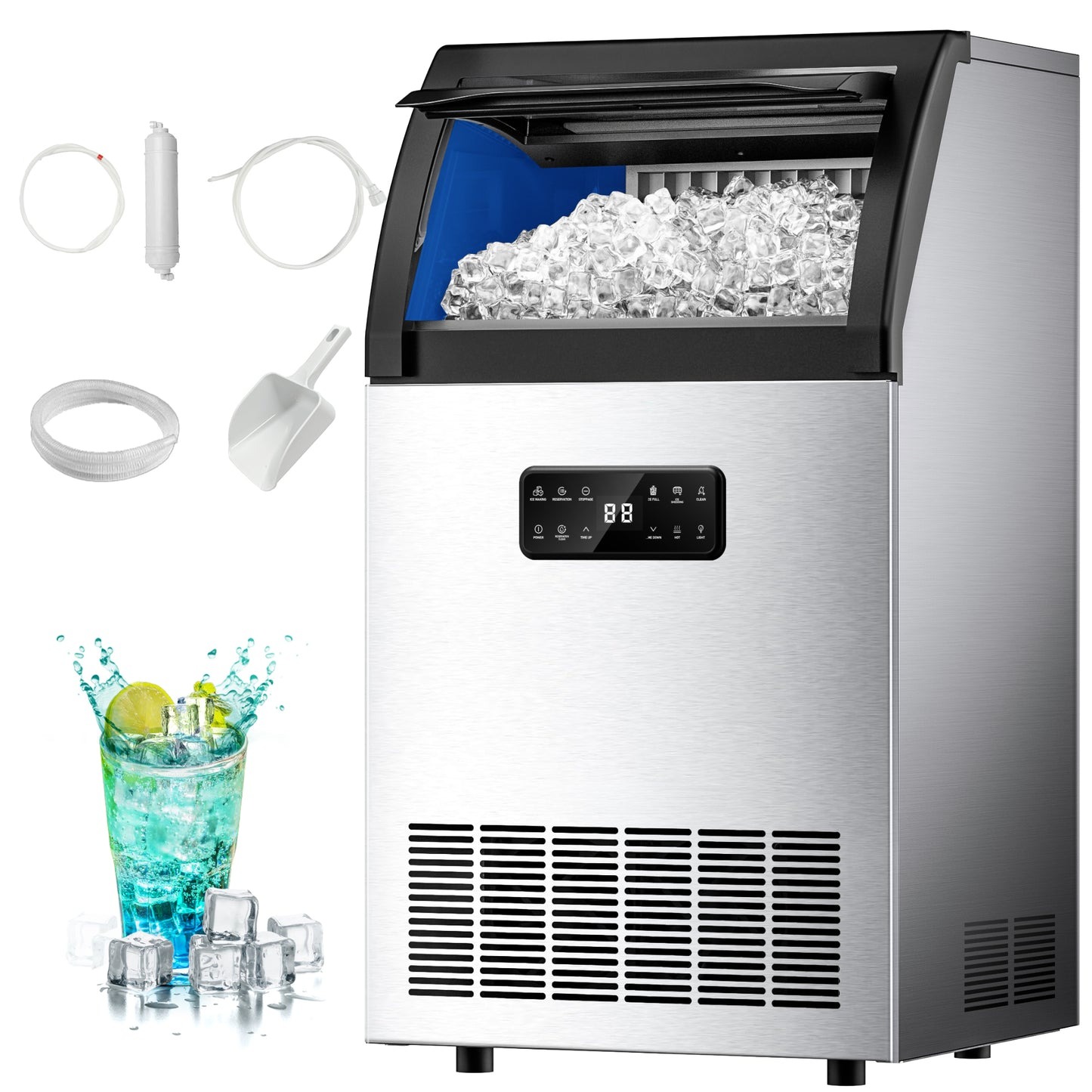
Picture this: it’s Friday night, every table is full, drink orders are flying in, and your bartender turns to the kitchen with a dreaded announcement—you’re out of ice. Servers scramble, customers wait, cocktails sit half-made, and the carefully orchestrated rhythm of your restaurant grinds to a halt. In that moment, the cost isn’t just a bag of ice from the nearest convenience store; it’s lost revenue, frustrated staff, and disappointed guests who may never return. This scenario plays out more often than most owners care to admit, and it almost always traces back to one root cause: an unreliable ice supply chain. A durable under counter ice maker offers a straightforward fix, delivering consistent ice production right where your team needs it most. This article explores how the right machine ensures you never face that Friday-night nightmare again, covering why consistent ice matters, what features define a truly durable unit, how automatic replenishment works, and a step-by-step guide to choosing the perfect model for your operation.
The Critical Importance of Consistent Ice Supply for Restaurants
Ice touches nearly every aspect of restaurant service. It chills cocktails, keeps seafood displays fresh, fills water glasses before guests even glance at the menu, and preserves prep ingredients behind the line. When the supply falters, the ripple effect is immediate. Bartenders start rationing cubes, servers apologize to tables, and kitchen staff lose a critical tool for food safety. A single busy Saturday without a consistent ice supply can translate to dozens of negative online reviews, each one quietly steering future diners elsewhere. Industry surveys suggest that beverage sales alone can account for nearly thirty percent of a restaurant’s revenue—meaning even a brief disruption hits the bottom line hard. Beyond finances, repeated shortages erode staff morale; employees forced to improvise workarounds lose confidence in the operation. For high-volume environments like sports bars, hotel restaurants, and fast-casual chains, reliability isn’t a luxury—it’s the baseline expectation that keeps every other system running smoothly.
Key Features of a Durable Under Counter Ice Maker
When restaurant owners invest in an under counter ice maker, durability isn’t just a selling point—it’s the difference between years of trouble-free operation and a costly cycle of repairs and replacements. A truly durable ice machine is engineered from the ground up to withstand the punishing conditions of a commercial kitchen: constant heat, humidity, grease, and the inevitable bumps from staff moving quickly in tight spaces. The features that separate a reliable unit from a disposable one go beyond surface-level specs. Look for robust stainless steel construction that resists corrosion and dents, commercial-grade compressors rated for continuous cycling, efficient insulation that holds temperatures steady while keeping energy costs manageable, and a low-maintenance design that minimizes downtime. These aren’t optional upgrades for high-volume environments—they’re necessities. A machine built with these core attributes doesn’t just produce ice; it produces confidence that your operation won’t stall when demand peaks.
Build Quality and Material Durability
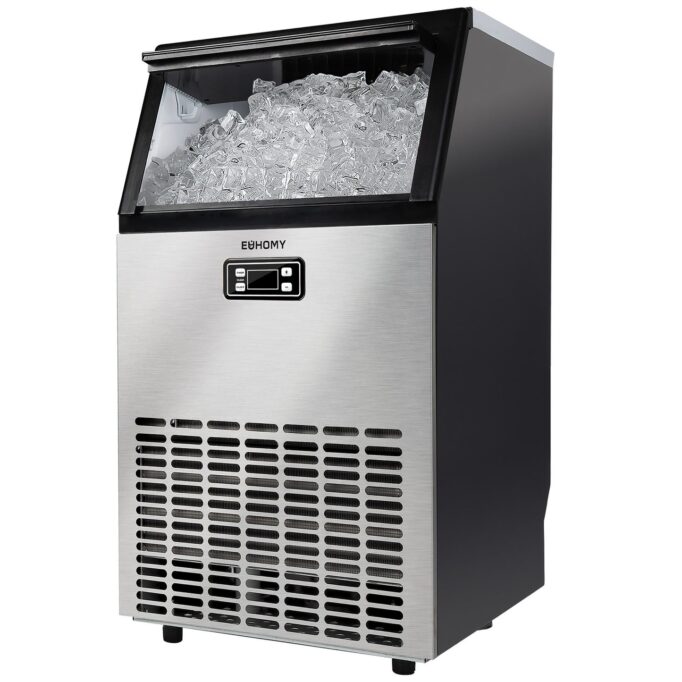
The exterior and interior materials of an under counter ice maker determine how well it survives daily abuse in a busy kitchen. Corrosion-resistant stainless steel housing stands up to constant moisture exposure and aggressive cleaning chemicals without pitting or rusting over time. Inside, heavy-duty compressors designed for commercial duty cycles handle the relentless start-stop rhythm of peak-hour production without overheating or wearing prematurely. Evaporator plates made from nickel-plated or food-grade stainless steel resist mineral scaling, which is one of the leading causes of efficiency loss in lesser machines. Impact-resistant components—reinforced door hinges, solid drain fittings, and protected control panels—ensure that the unit keeps running even when a hurried cook accidentally slams a sheet pan into it. Together, these material choices extend the machine’s working life well beyond budget alternatives, delivering long-term performance that justifies the initial investment.
Energy Efficiency and Performance Consistency
A durable ice machine should produce ice reliably without sending utility bills through the roof. Advanced insulation technologies, such as high-density foam enclosures and sealed gasket systems, minimize thermal loss so the compressor doesn’t have to work overtime to maintain freezing temperatures. Energy-efficient models often carry certifications indicating they meet strict consumption benchmarks, using significantly less electricity and water per pound of ice than conventional units. Equally important is production cycle stability: well-engineered machines maintain consistent batch timing regardless of ambient kitchen temperatures, meaning output at two in the afternoon matches output during a sweltering dinner rush. This consistency eliminates the frustrating guesswork of wondering whether the machine can keep up. For restaurant owners watching both their ice levels and their overhead, an energy-efficient unit delivers the best of both worlds—steady supply and controlled operating costs across every shift.
Meeting High-Volume Ice Needs with Commercial Ice Makers
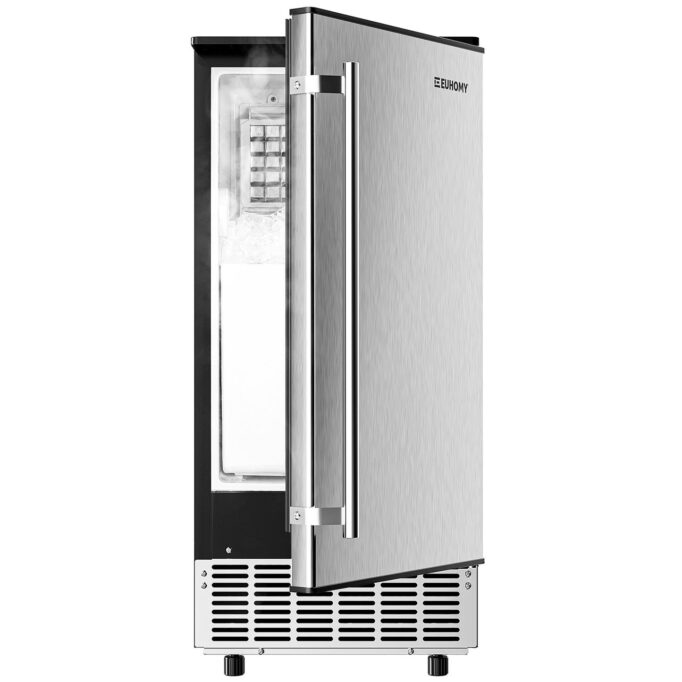
Restaurant owners operating in high-volume environments need equipment that matches the pace of their busiest shifts, and not every ice machine is built for that challenge. A commercial ice maker designed for under counter installation can produce anywhere from 50 to over 200 pounds of ice per day, depending on the model—enough to support a full bar program, a dining room of 80 seats, and a kitchen prep line simultaneously. Understanding capacity metrics is essential: calculate your peak-hour consumption rather than relying solely on daily averages, because a machine that produces 150 pounds over 24 hours won’t help if 60 of those pounds are needed between six and nine in the evening. Pairing the machine with a properly sized storage bin bridges the gap between production speed and real-time demand, holding a reserve that absorbs surges without requiring the compressor to sprint. For growing businesses, scalability matters just as much as raw output. Some operations start with a single under counter unit and later add a second at a satellite bar or prep station, distributing production across the floor instead of relying on one centralized source. This approach reduces ice transport time, keeps staff focused on guests, and ensures that expansion doesn’t outpace your ice infrastructure. Compared to larger modular or countertop commercial ice makers, under counter models from brands like Euhomy strike a practical balance between footprint and performance—fitting neatly beneath a standard 40-inch counter while still delivering the volume a serious restaurant demands.
How Automatic Replenishment Prevents Ice Shortages
The most common ice shortages don’t happen because a machine lacks capacity—they happen because no one noticed the bin was running low until it was too late. Automatic replenishment solves this problem by removing human oversight from the equation entirely. Modern under counter ice makers use built-in sensors, typically infrared or mechanical float switches, that continuously monitor the ice level inside the storage bin. When the supply drops below a preset threshold, the machine triggers a new production cycle without any staff intervention. Some advanced models pair these sensors with programmable timers, allowing owners to schedule heavier production runs just before predictable rush periods—like the hours leading into a Friday dinner service. The result is a bin that stays consistently stocked, even during sustained high-demand windows. For restaurant owners, the operational benefits extend well beyond simply having enough ice. Staff no longer need to check the machine every thirty minutes or make emergency runs to a nearby store, freeing them to focus on guest-facing tasks. Bartenders can pull ice with confidence, knowing the next batch is already forming. Kitchen teams maintain uninterrupted cold holding for prep items. This hands-off reliability is especially valuable in operations where managers oversee multiple stations and can’t afford to babysit a single piece of equipment. Automatic replenishment transforms the ice maker from a passive appliance into an active partner in service flow, quietly ensuring that shortages never derail a shift.
Creating an Integrated Ice Solution for Your Restaurant
Installing an under counter ice maker isn’t just about dropping a machine into an empty slot—it’s about building an integrated ice solution that works with your existing infrastructure. The most effective setups treat the ice maker as a connected component within the broader kitchen ecosystem. Start with water line compatibility: the machine needs a dedicated supply line with adequate pressure and, ideally, a quality filtration system that protects internal components from scale buildup while improving the taste and clarity of every cube. Drainage is equally important; gravity-fed drain lines must slope correctly to prevent standing water, while pump-equipped models offer flexibility when floor drains aren’t conveniently located. Placement should align with workflow—positioning the unit directly beneath a bartender’s station or adjacent to a beverage prep area eliminates unnecessary trips across the kitchen. This space-saving design frees valuable square footage for revenue-generating activities while keeping ice within arm’s reach of the people who use it most. When the ice maker, water filtration, drainage, and workspace layout function as a single coordinated system, the result is seamless operation that staff barely have to think about, letting them focus entirely on delivering great service.
Choosing the Right Under Counter Ice Maker: A Step-by-Step Guide
Selecting the right under counter ice maker doesn’t have to be overwhelming, but it does require a methodical approach. Restaurant owners who rush the decision often end up with a machine that either can’t keep pace with demand or wastes money on capacity they’ll never use. The following four steps walk you through the process—from calculating your actual ice needs to establishing the maintenance habits that protect your investment for years to come. By treating this purchase as a strategic decision rather than a quick equipment swap, you’ll land on a unit that delivers consistent output, integrates cleanly with your space, and earns back its cost through reliable, uninterrupted service.
Step 1: Assess Your Ice Production Requirements
Start by calculating how much ice your operation actually consumes. Industry guidelines suggest roughly 1.5 pounds per customer for full-service dining and up to 3 pounds per seat in cocktail-heavy establishments. Pull data from your busiest weeks—not your averages—and identify peak-hour consumption windows. If your restaurant serves 120 covers on a Saturday night and runs an active bar, you may need well over 300 pounds across the day, with the majority drawn between five and ten in the evening. Factor in growth projections too: if you’re planning to add a patio or expand your drink menu next season, size the machine for where you’re headed, not just where you are today. This upfront analysis prevents the costly mistake of outgrowing your equipment within a year.
Step 2: Evaluate Durability and Feature Specifications
Once you know your volume requirements, narrow your options by scrutinizing build quality and key features. Look for units with commercial certifications from recognized industry bodies, which confirm the machine meets rigorous performance and safety standards. Review warranty terms carefully—a manufacturer willing to back its compressor and evaporator for three to five years signals genuine confidence in longevity. Read user reviews from operators in similar environments, paying close attention to comments about reliability after the first year. Prioritize models equipped with automatic sensors for hands-free replenishment and high output rates that match your peak-hour calculations. A durable ice machine with the right feature set eliminates guesswork and keeps your team focused on guests instead of equipment.
Step 3: Plan Installation and Integration
Before the machine arrives, prepare the installation site thoroughly. Measure the under counter opening to confirm the unit fits with adequate clearance on all sides—most models require at least three inches of ventilation space at the rear and sides to prevent overheating. Coordinate with a licensed plumber to run a dedicated water supply line with a shutoff valve and install an inline filtration system that reduces sediment and mineral content. Verify that your drainage setup meets the manufacturer’s specifications, whether gravity-fed or pump-assisted, and confirm that the nearest electrical outlet matches the machine’s voltage and amperage requirements. Proper planning at this stage avoids retrofit headaches and ensures the unit operates at peak efficiency from day one.
Step 4: Implement Maintenance for Long-Term Reliability
A well-maintained ice maker can serve reliably for a decade or more, while a neglected one may falter within two years. Establish a cleaning schedule that includes wiping down interior surfaces and sanitizing the bin at least every two weeks, or more frequently in high-use environments. Replace water filters according to the manufacturer’s recommended interval—typically every six months—to prevent scale accumulation on the evaporator. Inspect door gaskets, drain lines, and condenser coils quarterly, clearing any dust or grease buildup that restricts airflow. Keep a maintenance log so you can spot recurring issues early and share service history with technicians during annual professional inspections. These routine habits protect ice quality, sustain energy efficiency, and ensure your machine delivers the consistent output your restaurant depends on every single shift.
Invest in Reliable Ice Production to Keep Your Restaurant Running Smoothly
A durable under counter ice maker does more than produce frozen cubes—it safeguards the rhythm of your entire restaurant operation. Consistent ice supply keeps bartenders pouring, servers smiling, and kitchen teams holding prep items at safe temperatures without a second thought. The right machine combines robust stainless steel construction and commercial-grade components with energy-efficient performance that holds steady through the most demanding shifts, delivering the reliability high-volume environments require. Automatic replenishment eliminates the human error that causes most shortages, ensuring the bin stays full even when every seat in the house is occupied. When that machine is thoughtfully integrated with your water supply, drainage, and workspace layout, it becomes an invisible yet indispensable part of your service flow. Choosing the right commercial ice maker comes down to honest assessment—calculating real peak-hour demand, verifying build quality and certifications, planning a clean installation, and committing to routine maintenance that extends the unit’s life well beyond a decade. Each of these steps turns a single equipment purchase into a long-term investment in business continuity. Guests may never notice the machine humming quietly beneath the counter, but they will notice full glasses, perfectly chilled cocktails, and service that never misses a beat—and that’s exactly the point.