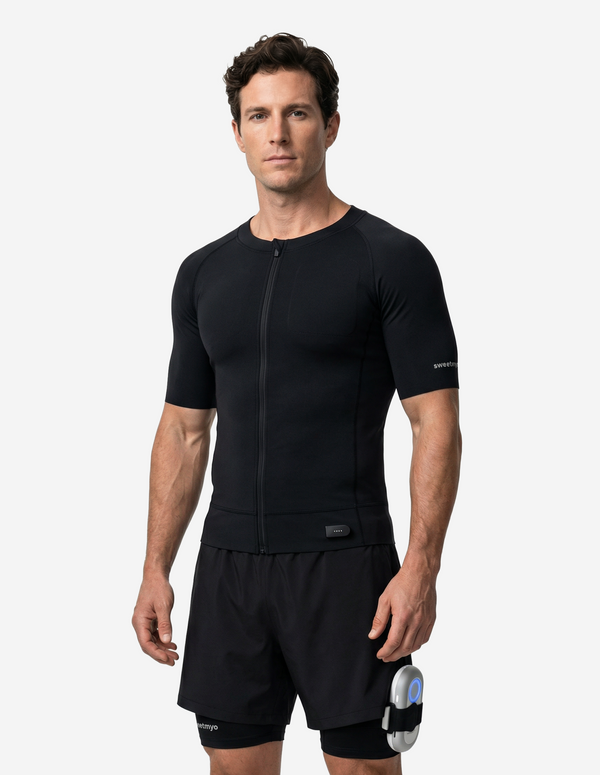
Starting a fitness journey can feel overwhelming. Many beginners struggle with gym intimidation, packed schedules that leave no room for hour-long workouts, and the sheer confusion of figuring out which exercises to do and how to do them correctly. These barriers often lead to frustration and abandoned goals before any real progress takes shape. Whole Body EMS — Electrical Muscle Stimulation — offers an innovative way to cut through these obstacles and make fitness genuinely accessible. By delivering controlled electrical impulses through electrodes placed on the body, EMS technology activates muscles directly, triggering deep contractions that mimic the effects of traditional resistance training. This means you can engage multiple muscle groups simultaneously without needing to master complex movements or spend hours in the gym. In this article, we’ll walk you through everything you need to know as a beginner: what whole body EMS is, why it suits newcomers so well, how to use your device safely and effectively, and how to build a sustainable routine that grows with you.
Understanding Whole Body EMS: A Primer for Beginners
Whole body EMS is a training method that uses a wearable device equipped with electrodes to send low-frequency electrical impulses directly to your muscles. These impulses cause your muscle fibers to contract — much like they would during conventional exercise — but without requiring you to lift weights or perform strenuous movements. The technology works by mimicking the electrical signals your brain naturally sends through your nervous system, except it reaches deeper muscle layers and activates a higher percentage of fibers than most voluntary movements can achieve.
Originally developed for physical rehabilitation in clinical settings during the 1960s, EMS technology has evolved dramatically. What once required bulky hospital equipment now fits into streamlined suits and compact devices designed specifically for fitness training. Modern whole body EMS systems can target multiple muscle groups simultaneously — legs, core, back, chest, and arms — delivering a comprehensive workout in a fraction of the time traditional training demands. For beginners, this represents a fundamental shift in how fitness can begin. Instead of learning dozens of exercises and risking poor form, you can activate your muscles effectively from day one, building a foundation of strength and body awareness that supports every fitness goal that follows.
Why Whole Body EMS is Ideal for Fitness Newcomers
The biggest hurdle for most beginners isn’t physical — it’s mental. Walking into a gym without knowing proper form or which muscles you should be feeling during an exercise creates a disconnect between effort and results. Whole body EMS bridges this gap by enhancing body awareness from the very first session. When electrical impulses activate your muscles, you feel exactly which areas are working, teaching you to recognize and engage those muscles during everyday movements. This biofeedback accelerates the mind-muscle connection that typically takes months of traditional training to develop.
EMS also provides a genuinely low-impact entry point. Because the technology handles muscle activation directly, you don’t need to load your joints with heavy weights or perform high-impact exercises to achieve meaningful contractions. This makes it particularly valuable for beginners who carry extra weight, have mild joint concerns, or simply lack the baseline strength to perform conventional exercises with proper form. The confidence boost is immediate — you finish each session knowing your muscles were thoroughly engaged without the intimidation of navigating complex equipment. Add the time efficiency of a complete 20-minute session replacing a traditional 60-90 minute workout, and EMS removes the most common excuses that keep newcomers from building consistent habits. Better posture often emerges as an early benefit too, since EMS naturally targets the deep stabilizing muscles along the spine that desk-bound lifestyles tend to neglect.
Getting Started: A Step-by-Step Guide to Using Your EMS Device Effectively
Transitioning from curiosity to action is where many beginners stall. The good news is that whole body EMS devices are designed with simplicity in mind, and getting started requires far less technical knowledge than assembling a home gym or memorizing workout routines. The following steps will take you from unboxing to your first effective session with confidence.
Step 1: Preparing Your Device and Body
Before your first session, ensure your skin is clean, dry, and free of lotions — this helps electrodes make proper contact for consistent stimulation. If you’re using a suit-style device, dampen the electrode pads slightly with water to improve conductivity. Position the suit or individual electrodes so they sit directly over the target muscle groups: chest, upper back, lats, abs, glutes, and thighs. Run through a quick safety check by powering on the device at its lowest setting to confirm all channels are functioning and you feel gentle tingling across each zone before increasing intensity.
Step 2: Basic Usage and Muscle Engagement Techniques
Start every session at the lowest intensity and increase gradually until you feel firm but comfortable contractions. Select a beginner or general fitness preset program — these typically alternate between impulse phases and rest phases, guiding your muscles through controlled work cycles. During each impulse phase, consciously tense the muscle being stimulated. This voluntary co-contraction amplifies the training effect significantly. Begin with major muscle groups like glutes and quads, then expand attention to your core and upper body as you grow comfortable with the sensations.
Step 3: Safety Precautions and Progress Monitoring
Limit sessions to 20 minutes and train no more than two to three times per week, allowing at least 48 hours between sessions for muscle recovery. Stop immediately if you experience sharp pain, dizziness, or skin irritation beneath electrodes. Avoid using EMS if you have a pacemaker, are pregnant, or have epilepsy — always consult a physician if uncertain. Track your progress by noting the intensity levels you use each session, any increases in strength during daily activities, and improvements in how accurately you can engage specific muscles without the device.
Maximizing Your Workout: Adjustable Stimulation and Training Mode Selection
One of the greatest advantages of whole body EMS for beginners is the ability to fine-tune every aspect of your training through adjustable stimulation settings. Unlike fixed-weight machines or standardized group classes, EMS lets you control the exact intensity delivered to each muscle group independently. This means you can push your stronger legs a bit harder while keeping stimulation gentler on a weaker upper body, creating a balanced workout that respects where your body is right now rather than forcing a one-size-fits-all approach.
Most devices offer distinct training modes designed around specific fitness goals. Strength mode delivers higher-intensity impulses with longer rest intervals, encouraging muscle fiber recruitment and building foundational power. Endurance mode uses lower intensity with shorter rest periods, keeping muscles active longer to improve stamina and cardiovascular conditioning. Recovery mode applies gentle, rhythmic pulses that promote blood flow and reduce soreness after harder sessions — particularly useful for beginners whose muscles aren’t yet accustomed to regular training stimulus. Brands like sweetmyo have made these modes intuitive and beginner-friendly, so newcomers can confidently select the right program without guesswork. Start with endurance or general fitness modes during your first two weeks, then experiment with strength mode as your comfort grows. Pay attention to how each mode feels and how your body responds in the 24 hours afterward. Gradually increasing intensity by small increments each week — rather than making dramatic jumps — ensures steady adaptation without unnecessary soreness or fatigue that could derail your momentum.
Ensuring Longevity: Easy Maintenance Tips for Your Device
Taking care of your whole body EMS device is straightforward, and a few simple habits will keep it performing reliably for years. After each session, wipe down the electrode pads with a damp cloth to remove sweat and skin residue — buildup reduces conductivity and weakens the quality of muscle contractions over time. If your device uses a suit, hang it to air dry completely before storing it; folding a damp suit encourages bacteria growth and can degrade the electrode material. Store the device in a cool, dry place away from direct sunlight, and avoid crumpling or sharply bending cables and electrode zones. For battery-powered units, charge them after each use rather than letting the battery drain completely, which helps preserve long-term battery health. If you notice uneven stimulation or a channel that feels weaker than others, check that the electrode pad in that area still makes full contact with your skin — worn pads typically need replacing every few months depending on usage frequency. Keeping a brief maintenance log alongside your training notes makes it easy to spot when pads or components need attention, so your device never becomes a reason to skip a session.
Putting It All Together: Your First EMS Fitness Session
Now that you understand the technology, benefits, and practical considerations, it’s time to map out your first real session. Here’s a sample 20-minute beginner routine: spend the first three minutes at low intensity performing gentle squats and marching in place to warm up while the impulses activate your legs and core. For the next twelve minutes, alternate between holding a slight squat for ten seconds during impulse phases and standing tall with arms extended overhead during rest phases — this engages your glutes, quads, core, and shoulders without complex choreography. Use the final five minutes in recovery mode while stretching your hamstrings, chest, and hip flexors. Set a realistic goal for your first month: complete two sessions per week consistently, increasing intensity by one small increment each week. Track how everyday tasks like climbing stairs or carrying groceries begin feeling easier. Once this routine feels manageable, add light movements like lunges or wall push-ups during impulse phases. The key is building a rhythm you can sustain — EMS works best as a regular habit rather than an occasional experiment, so schedule sessions like appointments you won’t cancel.
Start Your EMS Fitness Journey With Confidence
Whole body EMS directly addresses the barriers that keep beginners from starting and sticking with fitness. It eliminates the intimidation of complex gym equipment, compresses effective training into 20-minute sessions that fit any schedule, and teaches you to feel and engage your muscles from the very first use. The adjustable stimulation settings meet you exactly where you are physically, while distinct training modes let you pursue strength, endurance, or recovery based on what your body needs each week. Proper usage — starting at low intensity, allowing adequate rest between sessions, and co-contracting muscles during impulse phases — ensures safe, measurable progress. Simple maintenance habits like cleaning electrodes and storing your device correctly keep the technology reliable so it never becomes an obstacle itself. The path forward is clear: commit to two sessions per week, increase intensity gradually, and pay attention to how daily life gets easier as your body adapts. You don’t need perfect form, expensive gym memberships, or hours of free time. You need consistency and a tool that works with you — and whole body EMS delivers exactly that. Take the first step, trust the process, and let your fitness journey begin.