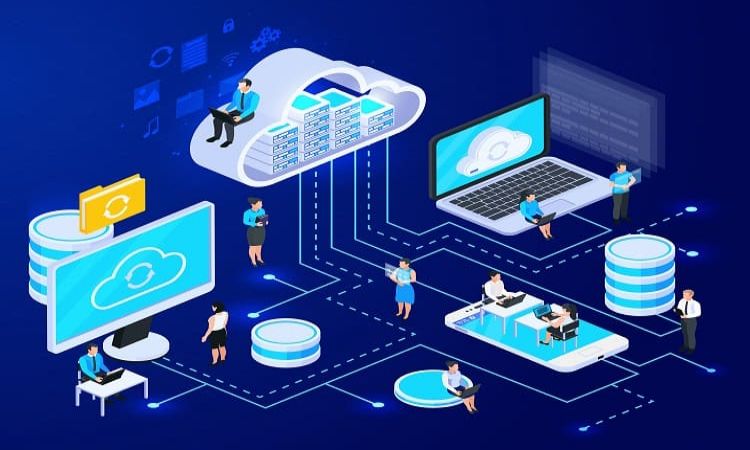
Generative artificial intelligence shifts how businesses manage data online. Not merely seeking space to store files anymore, companies now construct intricate systems demanding strong computing strength and varied information sources while handling inputs instantly. Because of such needs, top enterprises reduce reliance on one supplier only. Rather than sticking with familiar setups, they adopt connections across multiple clouds, blending distinct tools from separate services into unified, responsive networks. Despite obstacles, combining systems brings adaptability once impossible within strict frameworks.
Using Different Inputs to Run the AI System
Heavy computing jobs related to artificial intelligence often require specific hardware like GPUs or TPUs, the availability of which can differ widely between regions inside a single cloud setup. Rather than sticking strictly to one provider, organisations spread workloads; training models may happen on one system, while live predictions run via another infrastructure positioned closer to users. Moving processing tasks across systems helps ease bottlenecks due to local shortages, enabling continuous operation without interruption.
One factor concerns the way different cloud environments offer unique artificial intelligence capabilities. Although a given system excels at interpreting spoken language, another might perform better when identifying visual patterns. Access becomes possible via a robust multi-cloud connectivity provider, enabling institutions to choose leading features regardless of vendor. Such integration paths permit fluid operation merging, mainly by overcoming obstacles tied to separated information pools or inconsistent messaging formats.
Dependable Worldwide Operation
Silence across networks becomes critical once companies rely on machine learning. A single disruption in one cloud zone may delay widespread algorithms, stopping vital data processing or automated tasks. Should failures occur, operations shift without delay to backup locations. Spread-out setups ensure function continues, despite interruptions occurring unexpectedly. Where connections bind varied sources on purpose, strength appears. If performance drops at any node, information shifts paths as intended. Constant reach relies more on spread than central nodes ever could. By spreading the load, endurance builds; speed and size matter less.
Across different areas, laws along with pace requirements define how systems are built. Though geography varies, compliance paired with timing needs directs setup decisions. Because rules differ by location, performance expectations influence structure options. Where presence extends widely, mandates together with urgency mould architecture plans. Ultimately, smoother flow reduces disruptions that might affect performance consistency.
Avoiding Vendor Lock-In Affects Long-Term Flexibility
Change in artificial intelligence moves fast. Today’s top solution could lose ground within weeks. Relying on just one vendor may lock companies into outdated systems while expenses climb. Using enterprise network solutions avoids such limits. Flexibility appears when needs change, prices adjust, or better tools arrive. Movement across platforms becomes possible without a full rework.
Maintaining neutrality toward vendors opens doors to improved agreements while guaranteeing ongoing availability of cutting-edge tools in tech. What sets an AI-capable organisation apart lies in this freedom: enabling decisions where workloads align with platforms based on efficiency and expense.
Conclusion
As AI continues to mature, the network that supports it must be as intelligent and flexible as the models themselves. Seamless connectivity is the invisible thread that holds these distributed systems together, turning a collection of scattered clouds into a singular, powerful engine for growth.
To build a truly resilient and scalable digital foundation, explore how Tata Communications delivers seamless multi-cloud connectivity provider solutions tailored for the AI era.