In 2026, AI video creation is no longer a novelty — it’s become a core tactic for creators, marketers, and brands who need high-quality video content at scale. YouTube, Instagram, TikTok, and even LinkedIn now reward video formats, and AI tools have matured enough to create content that performs well without costly equipment or long production cycles.
But with dozens of platforms and models available, not every approach will drive engagement. Today’s winners use AI strategically — not just to generate visuals, but to optimize format, narrative, personalization, and creativity.
Here’s what actually works in 2026 — with concrete trends, real-world examples, and how to leverage them in your content strategy.
1. Text-to-Video That Doesn’t Look Like AI
Text-to-video tools have improved dramatically. According to industry trend reports, models can now generate longer clips with better realism and audio integration — turning simple scripts into cinematic scenes that even expert viewers struggle to tell apart from real footage.
Why it matters: Most viewers scroll quickly, so grabbing attention in the first second is crucial. Well-crafted AI videos with compelling hooks perform dramatically better than static images or text posts.
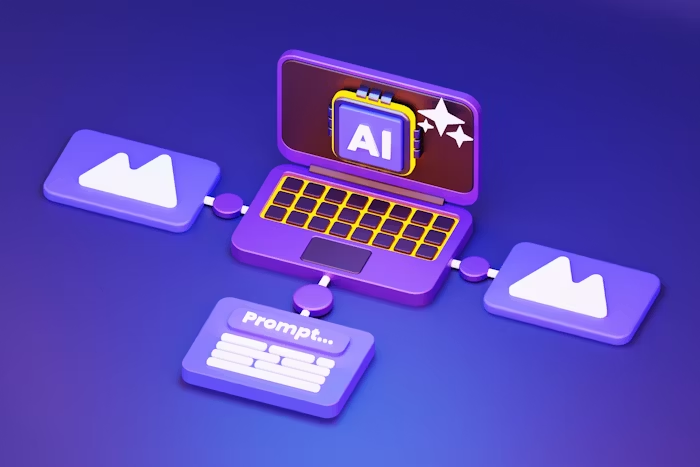
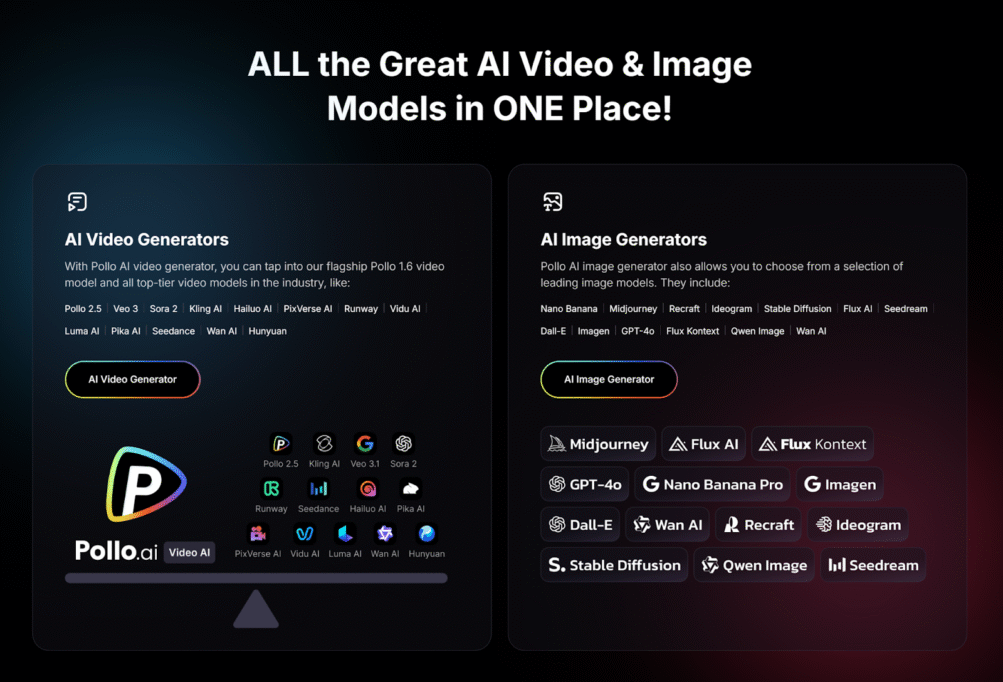
How to do it: Start with a clear narrative script. Include a strong opening action or question, then let your AI model visualize it. Pollo AI’s AI video creator lets you type your idea and instantly produce a fully generated video — complete with scenes, motion, and synced audio. Its access to top industry models like Veo 3.1, Sora 2, Kling AI, and more means you can experiment with different styles from one platform.
2. Image-to-Video to Bring Photos Alive
Static photos are still everywhere, but on social feeds they often get ignored. The switch from photo to motion can dramatically increase engagement — especially on reels and TikToks where movement signals interest to the algorithm.
Tools in 2026 let you upload a photo and turn it into a story:
- Add motion paths
- Animate characters
- Sync with soundtracks
Pollo AI’s image-to-video tool animates stills into pro-looking videos with cinematic audio and support from multiple high-quality models — no editing suite required.
3. Reference-to-Video for Consistent Visual Identity
One of the biggest challenges when scaling AI video production is consistency — especially if you need the same character, product, or brand look across multiple clips.
The solution now is reference-to-video generation, where you provide example frames and the AI keeps them consistent across all generated content. Pollo AI supports this workflow, so your brand elements (logo, product shots, character designs) stay coherent no matter how many videos you generate.
This is a huge booster for brands running frequent campaigns who need continuity across ads, stories, and shorts.
4. Templates That Drive Trends (and Engagement)
Trend-driven templates — like meme formats, dynamic text overlays, or popular editing styles — still dominate social platforms. In 2026, AI platforms have built-in template libraries that include viral formats like AI kissing, stylized effects, and more.
Pollo AI offers hundreds of trending video templates, including popular ones like AI Kiss and other viral effects that creators use to grab attention quickly. These templates help newer creators jump into trends without deep production skills.
Pro tip: Look at trending sounds and styles on TikTok or Reels, then adapt your template to echo those motifs — AI tools make this adaptation fast.
5. Personalization at Scale
Getting views is one thing; getting meaningful engagement is another. AI now allows personalization by dynamically inserting viewer names, interests, or data into video content. Early adopters report significantly higher watch times and interactions when videos feel “made for you.”
This trend ties directly to broader digital marketing insights showing that personalized video experiences outperform generic ones.
Even if you aren’t directly integrating personalized data today, you can personalize by niche segment (e.g., “For fitness lovers” vs “For pet owners”) using text prompts, and Pollo AI’s flexible prompt systems make that workflow simple.
6. Balancing AI Creativity With Human Strategy
One of the biggest pitfalls in 2026 is thinking AI replaces creators. It doesn’t. AI is most effective when paired with human strategy — creative briefs, content calendars, audience insights, brand voice, and trend timing.
Use AI to:
- prototype content fast
- test variations at scale
- adapt trending formats
Use humans to:
- craft narratives
- analyze performance
- shape brand personality
This hybrid approach separates content that gets views from content that builds audiences.
Gameplay Video Clippers for Viral Moments
Gaming content continues to dominate social media in 2026, and short, high-impact clips are what drive the most engagement. Instead of uploading full gameplay sessions, creators now focus on extracting the most exciting, funny, or unexpected moments and turning them into shareable clips.
AI-powered gameplay video clippers make this process fast and efficient. These tools can automatically detect highlights like intense action scenes, wins, fails, or emotional reactions, then trim and format them for platforms like TikTok, YouTube Shorts, and Instagram Reels.
For games like GTA 6, where dynamic events and unscripted interactions are a core part of the experience, using a GTA 6 clipping tool can help creators capture unique moments instantly. This not only saves editing time but also increases the chances of going viral by focusing on content that audiences actually enjoy watching.
Pro tip: Combine AI clipping with trending sounds, captions, and quick cuts to maximize retention and engagement.
Final Takeaways
AI video in 2026 is not a gimmick — it’s a workhorse of modern content strategy. Text-to-video, image animation, reference consistency, templates, and hyper-personalization are all proven ways to increase reach and engagement.
If you want a platform that lets you experiment with all of these — from text prompts to image video generation, consistent reference workflows, and access to different top models like Veo 3 or Sora — Pollo AI is one of the most versatile choices. It combines multiple AI video models and hundreds of popular templates into a single “all-in-one” creative hub, making it practical for teams and solo creators alike.
AI video isn’t just the future — it’s how content leaders win attention today. Stay strategic, iterate fast, and align your AI output with your brand’s voice and goals.