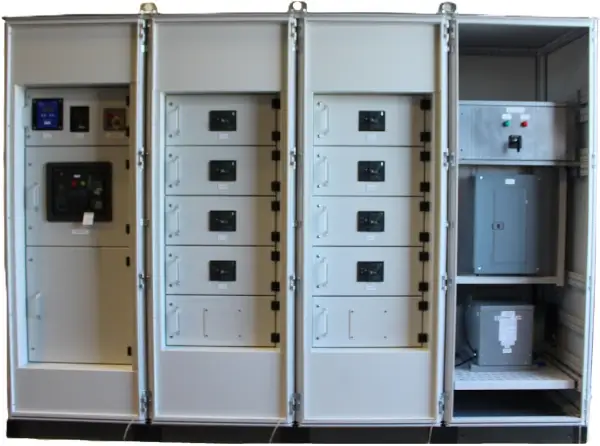
Modern industrial and commercial facilities rely on uninterrupted, safe, and efficient power distribution to operate smoothly. From manufacturing plants and data centres to hospitals and commercial buildings, electrical infrastructure plays a critical role in daily operations. At the heart of this infrastructure are electrical switchboards—the central hubs that control, protect, and distribute electrical power throughout a facility.
Understanding how electrical switchboards work and how to select the right switchgear power solutions is essential for facility managers, engineers, and business owners aiming to improve safety, reliability, and scalability. This guide explores the fundamentals of electrical switchboards, their types and functions, and key considerations when choosing the most suitable switchgear power solutions for modern facilities.
What Are Electrical Switchboards?
Electrical switchboards are assemblies of electrical panels, protective devices, and control equipment designed to receive power from a source—such as a transformer or generator—and distribute it safely to various circuits within a facility. They serve as the main interface between the power supply and the electrical loads, ensuring controlled power flow and system protection.
In industrial and commercial environments, electrical switchboards are far more than simple distribution panels. They integrate circuit breakers, switches, meters, relays, and monitoring systems that help prevent overloads, short circuits, and electrical faults. Properly designed switchboards enhance operational efficiency while reducing downtime and safety risks.
Core Functions of Electrical Switchboards
To appreciate the importance of electrical switchboards, it helps to understand their primary functions within a power system.
Power Distribution
Electrical switchboards divide incoming electrical power into multiple outgoing circuits. This allows power to be supplied efficiently to different areas, machinery, or systems within a building or facility.
Protection and Safety
One of the most critical roles of electrical switchboards is protecting electrical equipment and personnel. Built-in circuit breakers and protective devices isolate faults, preventing damage caused by overloads, short circuits, or electrical surges.
Control and Isolation
Switchboards provide manual and automatic control over electrical circuits. They allow operators to switch systems on or off for maintenance, emergency shutdowns, or operational adjustments.
Monitoring and Metering
Modern electrical switchboards often include advanced metering and monitoring systems. These provide real-time data on power consumption, voltage, and load performance, helping businesses optimise energy usage and identify inefficiencies.
Types of Electrical Switchboards Used in Modern Facilities
Different facilities have different power requirements, which is why electrical switchboards come in various configurations. Choosing the right type depends on voltage levels, load demands, and application environments.
Low Voltage Electrical Switchboards
Low voltage electrical switchboards typically operate at voltages up to 1,000V AC. They are widely used in commercial buildings, industrial plants, and infrastructure projects to manage power distribution safely and efficiently.
These switchboards are commonly used for lighting systems, HVAC units, machinery, and general electrical loads. Their modular design allows for easy expansion and customisation as facility needs evolve.
Main Electrical Switchboards
A main electrical switchboard acts as the central distribution point for a facility’s power system. It receives power from the utility supply or on-site generation and distributes it to sub-switchboards or individual circuits.
Main switchboards are designed to handle high current loads and play a vital role in overall system reliability. Their design and build quality directly impact operational continuity and safety.
Motor Control Switchboards
In industrial environments, motor control switchboards manage the operation of electric motors used in production equipment, conveyors, and pumps. These switchboards integrate motor starters, protection devices, and control systems to ensure smooth and efficient motor performance.
Understanding Switchgear Power Solutions
While electrical switchboards manage power distribution, switchgear power solutions focus on controlling, protecting, and isolating electrical equipment within the system. Switchgear refers to the combination of electrical disconnects, fuses, circuit breakers, and control devices used to safeguard power systems.
Modern switchgear power solutions are engineered to improve reliability, enhance safety, and support intelligent power management. They are essential components in facilities where uptime and operational safety are non-negotiable.
Key Benefits of Modern Switchgear Power Solutions
Investing in advanced switchgear power solutions offers several advantages for industrial and commercial facilities.
Enhanced Electrical Safety
Modern switchgear incorporates advanced fault detection and arc-flash protection features. These systems reduce the risk of electrical accidents and protect personnel working near electrical installations.
Improved System Reliability
High-quality switchgear minimises unexpected outages by isolating faults quickly and efficiently. This ensures continuous power supply to critical systems and reduces costly downtime.
Scalability and Flexibility
Switchgear power solutions are designed with future expansion in mind. Modular components allow facilities to scale their electrical infrastructure as power demands increase.
Energy Efficiency and Monitoring
Integrated monitoring and digital controls provide insights into energy usage and system performance. This helps businesses optimise power consumption and meet sustainability goals.
How to Choose the Right Electrical Switchboards and Switchgear Power Solutions
Selecting the right electrical switchboards and switchgear power solutions requires careful planning and evaluation. Here are the key factors businesses should consider.
Assess Power Requirements
Understanding current and future load requirements is essential. Facilities should evaluate total power demand, peak loads, and expansion plans to ensure the switchboards can handle operational needs without overloading.
Consider Application Environment
Environmental conditions such as temperature, humidity, dust, and exposure to chemicals can affect switchboard performance. Industrial facilities may require rugged, enclosed designs, while commercial buildings may prioritise compact and aesthetic installations.
Compliance with Standards
Electrical switchboards and switchgear power solutions must comply with relevant safety and quality standards. Compliance ensures safe operation, regulatory approval, and long-term reliability.
Customisation and Integration
Every facility is unique. Choosing switchboards that can be customised to specific operational requirements allows better integration with existing systems, generators, renewable energy sources, and automation platforms.
Maintenance and Serviceability
Well-designed electrical switchboards simplify maintenance and troubleshooting. Easy access to components, clear labelling, and smart diagnostics reduce downtime and maintenance costs.
The Role of Electrical Switchboards in Modern Infrastructure
As facilities become more technologically advanced, electrical switchboards are evolving to support smart infrastructure and digital power management. Integration with building management systems, energy monitoring platforms, and automation technologies enables greater control and efficiency.
Modern electrical switchboards paired with intelligent switchgear power solutions support predictive maintenance, remote monitoring, and data-driven decision-making. These capabilities are especially valuable in data centres, healthcare facilities, and manufacturing plants where power reliability is critical.
Conclusion
Electrical switchboards are the backbone of safe and efficient power distribution in modern industrial and commercial facilities. By managing power flow, protecting equipment, and enabling operational control, they play a vital role in electrical infrastructure performance.
Choosing the right switchgear power solutions ensures enhanced safety, reliability, and scalability while supporting future growth and technological advancements. Businesses that invest in well-designed electrical switchboards and advanced switchgear benefit from improved operational efficiency, reduced downtime, and long-term cost savings.
By understanding the types, functions, and selection criteria outlined in this guide, facility managers and decision-makers can make informed choices that support reliable power distribution and sustainable operations in today’s demanding environments.