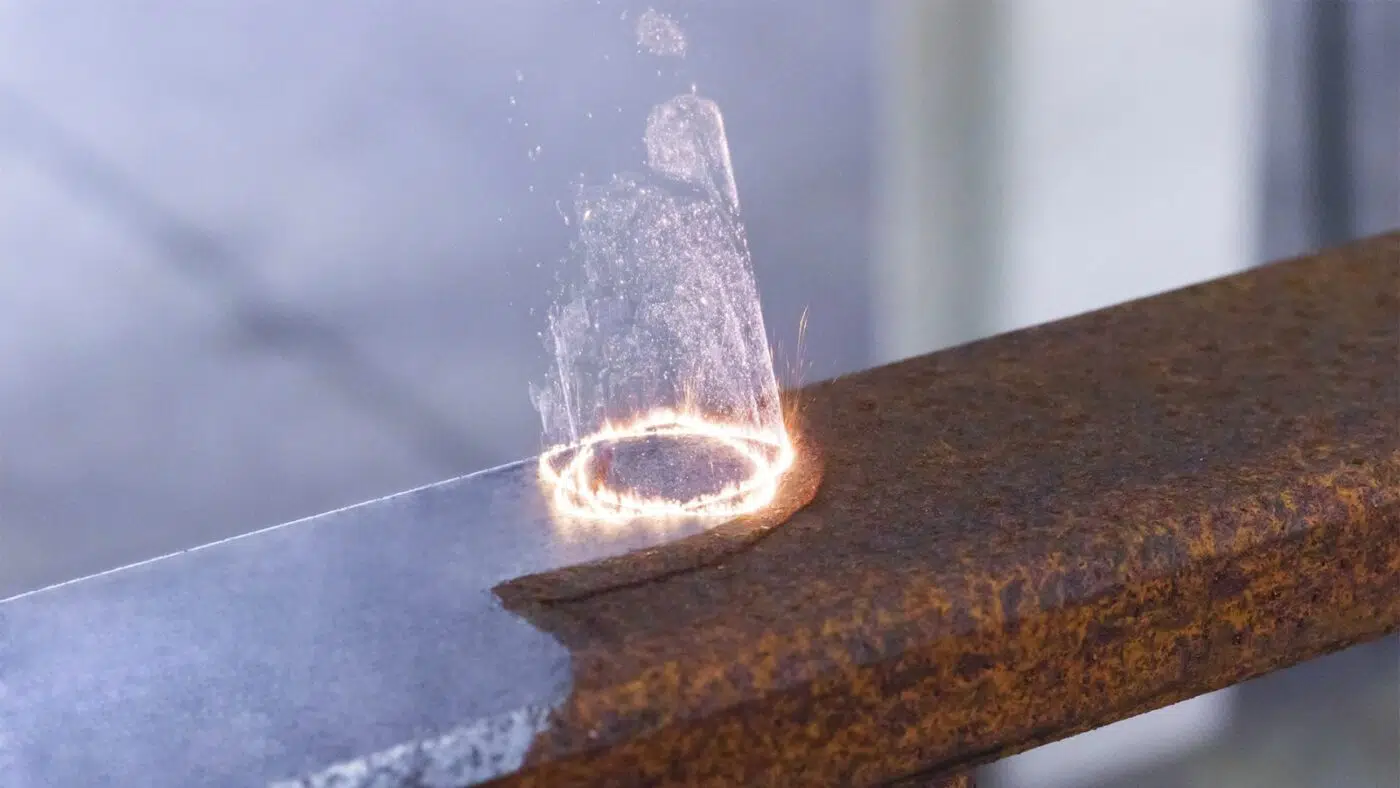
Laser cleaning is often regarded as an alternative to traditional surface treatment methods. The basic principle is simple: a focused laser beam removes surface contaminants without physical contact. In practical applications, cleaning performance depends on factors such as material properties, laser parameters, and process control.
This article discusses the disadvantages of laser cleaning machines from a technical perspective.
1. High Initial Investment Cost
Laser cleaning systems rely on advanced laser sources, control electronics, and cooling units. These components significantly increase the initial purchase cost. High-power systems, which are commonly used for industrial rust removal or paint stripping, are especially expensive.
For small workshops or applications with low cleaning frequency, this cost can be difficult to justify. In many cases, traditional cleaning methods have much lower entry requirements.
2. Limited Effectiveness on Certain Materials
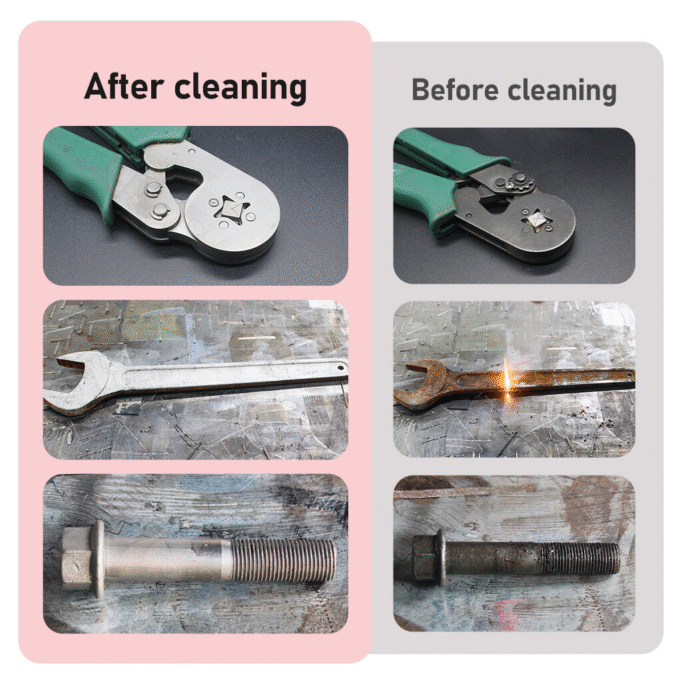
Laser–material interaction plays a critical role in cleaning performance. Metals with high reflectivity, such as aluminum and copper, tend to absorb less laser energy. This reduces cleaning efficiency and may require higher power settings or slower scanning speeds.
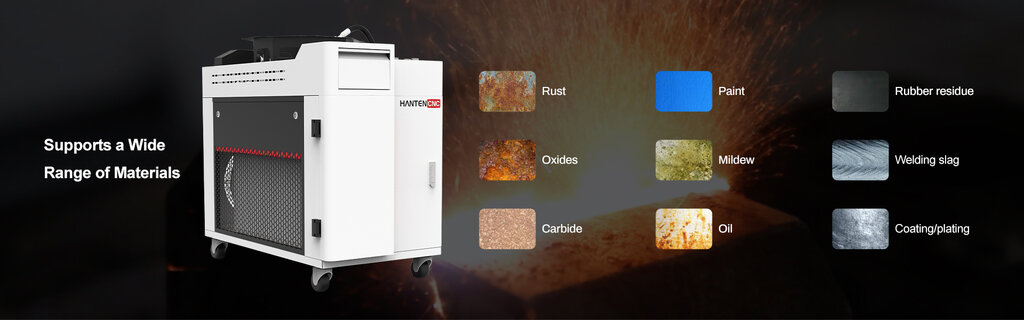
Thick coatings or multi-layer contamination present another challenge. Laser cleaning removes material layer by layer, which can be time-consuming compared to bulk removal methods. Achieving ideal results often requires high-power systems, and machines with power levels such as 6000W may exceed the budget of many buyers.
3. Energy Consumption and Operating Costs
Laser cleaning does not use chemicals or abrasives, but it still consumes energy. Industrial laser systems often operate at high power levels for long periods, leading to increased electricity consumption.
Cooling systems also add to operating costs. Water-cooled lasers are common in industrial environments and require additional energy and maintenance over time.
4. Safety Requirements and Operator Training
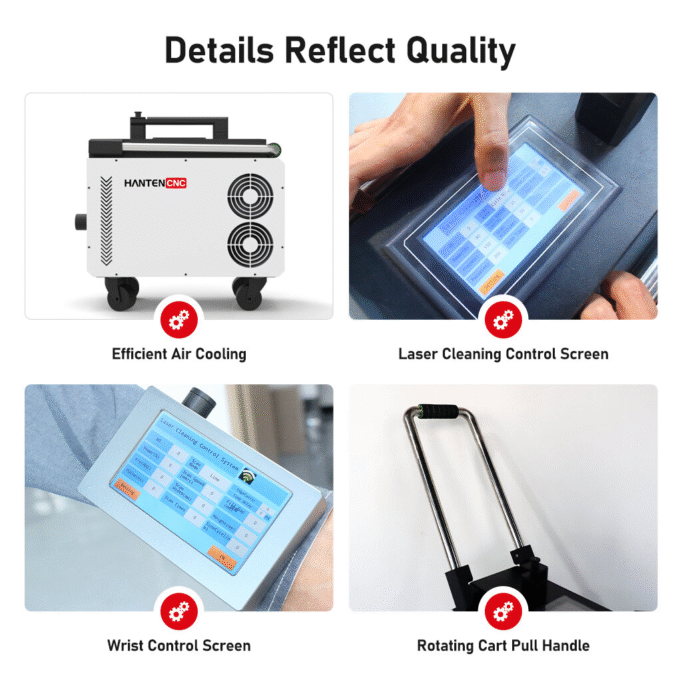
Industrial laser systems introduce specific safety risks. Direct or reflected laser radiation can cause serious harm to the eyes and skin. For this reason, laser cleaning setups usually require protective equipment and controlled working areas.
Operator training is essential. Proper adjustment of laser power, pulse duration, and scanning speed directly affects both safety and cleaning quality. Without adequate training, results may be inconsistent and safety risks increase.
5. Not Always Suitable for Large-Area Cleaning
Laser cleaning offers high precision, but precision often comes at the cost of speed. When treating large surface areas, traditional methods such as sandblasting are usually faster.
Laser cleaning is better suited for selective cleaning, localized treatment, or delicate surfaces where mechanical contact should be avoided.
6. Integration and Application Limitations
In automated production environments, integrating laser cleaning systems can be complex. Motion control, process monitoring, and software coordination all increase technical complexity.
Environmental factors such as dust, vibration, or uneven surfaces may also affect performance. As a result, laser cleaning performs best when application conditions are clearly defined and stable.
7. How to Choose the Right Laser Cleaning Machine
From a technical point of view, laser cleaning addresses specific surface treatment challenges rather than all cleaning tasks. Evaluating it as a process instead of a standalone solution usually leads to more realistic expectations for industrial applications.
HANTEN Laser, as a professional manufacturer of laser cleaning machines, can provide further technical support and services related to laser cleaning solutions.