Indore is steadily emerging as a centre for creative education, attracting young artists and designers seeking professional growth. For students aspiring to careers in animation, game design, fashion, or interior design, a supportive educational environment is crucial. As per a recent survey, 47% of arts and design alumni reported that their careers closely align with what they studied, reflecting the practical relevance of such education.
Local talent in Indore has immense potential, but without the right guidance, resources, and industry connections, many promising artists may struggle to turn their passion into a profession. By providing comprehensive courses, mentorship, and practical experience, ACAD College ensures that students not only develop their craft but also gain confidence to take on competitive creative roles.
The Evolving Landscape of Art Education in Indore
Art education in Indore has transformed from traditional techniques to modern, technology-driven programs. Today’s colleges provide interdisciplinary training and hands-on learning to equip students with both creative and professional skills.
Historical Context of Art Education in the City
Indore’s artistic roots stretch back decades, with early institutions focused on traditional painting, sculpture, and handicrafts. These programs primarily emphasised classical techniques, offering students foundational skills in various art forms.
- Transition to Modern Courses: Over time, institutes began incorporating multimedia, animation, and design programs to meet the growing demand for technology-driven creative careers.
- Cultural Influence: The city’s rich cultural heritage continues to inspire curriculum choices, encouraging students to explore local motifs, folk art, and traditional craft techniques alongside contemporary practices.
Modern Curriculum Trends
Today, art colleges in Indore prioritise practical exposure and interdisciplinary collaboration to prepare students for professional careers.
- Interdisciplinary Learning: Courses in animation, game design, fashion, and interior design often overlap, allowing students to experiment with multiple mediums.
- Technology Integration: Tools such as digital illustration software, 3D modelling, and virtual reality platforms are seamlessly incorporated into lessons.
- Project-Based Approach: Assignments mimic real-world challenges, enabling students to create portfolios that showcase both creativity and problem-solving abilities.
Identifying and Nurturing Local Talent
Art colleges actively seek to recognise and develop creative potential, giving local students the resources and mentorship they need to thrive. They combine selective admissions, scholarships, and faculty guidance to cultivate skill and confidence.
Admission Policies and Talent Identification
Art colleges actively seek passionate students with unique ideas and potential.
- Portfolio and Interview-Based Selection: Admissions often rely on student portfolios and creative tests rather than just academics, ensuring talent is front and centre.
- Equity in Access: Scholarships, financial aid, and merit-based mentorship ensure that talented students from varied socio-economic backgrounds can enrol.
- Pre‑College Engagement: Summer workshops and taster programmes allow prospective students to experience the curriculum and help faculty identify promising young artists early on.
Role of Faculty in Talent Development
Experienced, passionate educators at ACAD College and similar institutions play a crucial role in shaping creative minds.
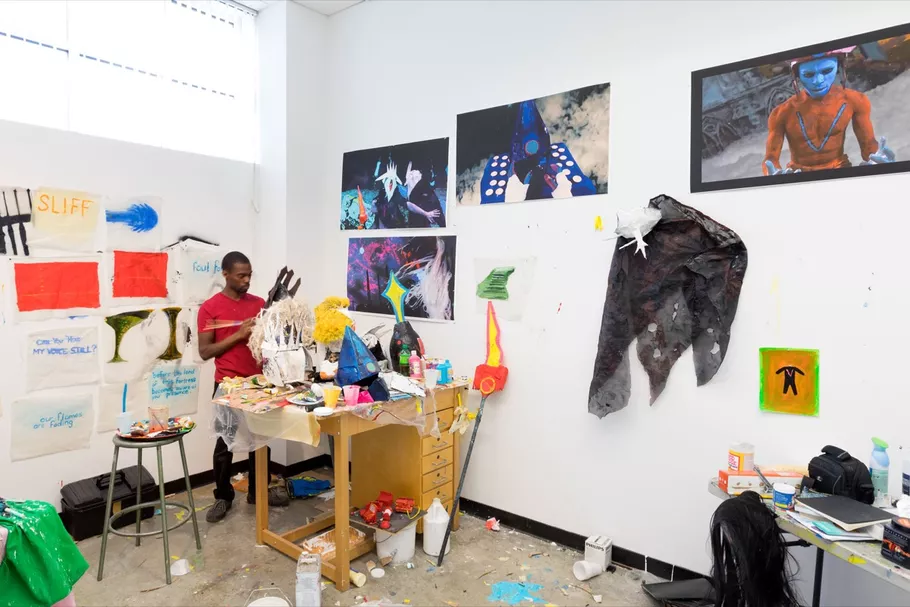
- Mentorship and Skill Building: Instructors guide students on technical mastery (e.g., 3D software, studio lighting) and conceptual thinking (narrative, aesthetics).
- Space to Experiment: Faculty encourage students to try new styles and challenge traditional boundaries, while still offering structural feedback.
- Showcasing and Competition: Internal exhibitions, collaborative projects, and peer competitions provide students with platforms to present work, receive critique, and grow.
Platforms for Exposure and Growth
Art colleges provide students with opportunities to showcase work, interact with industry professionals, and gain real-world experience. These platforms build confidence and industry readiness for local talent.
Workshops, Seminars, and Masterclasses
Access to industry professionals bridges the gap between classroom learning and professional practice.
- Industry Experts on Campus: Guest sessions with practising designers, artists, and animators expose students to real workflows, industry challenges, and best practices.
- Trend-Driven Learning: Masterclasses focus on current and emerging techniques in game development, digital media, fashion innovation, and more.
- Building Networks: Students connect with professionals who may become future mentors or collaborators, helping them land internships or freelance work.
Competitions, Exhibitions, and Festivals
Real-world platforms push students to refine their skills and showcase creativity.
- College Exhibitions: Internal showcases allow peers and faculty to provide constructive feedback.
- City-Wide Events: Participating in art fairs or cultural festivals gives students public recognition and professional exposure.
- Peer Learning: Competitions encourage students to learn from each other, fostering a healthy balance of collaboration and individuality.
Internship and Industry Collaborations
Partnerships between colleges and local creative businesses create valuable, practical opportunities for students.
- Studio Internships: By working in design studios, agencies, or fashion houses, students translate classroom learning into professional outputs.
- Real Projects: Students tackle live client briefs, which helps them learn resource management, teamwork, and client communication.
- Entrepreneurial Spirit: Exposure to business operations in creative workplaces encourages students to freelance, launch startups, or run design ventures.
Surveys show that 46% of arts and design alumni feel their careers draw heavily on skills developed at their colleges, underscoring the relevance of these programs.
Impact on the Local Community and Economy
Art colleges contribute to Indore’s social and economic development by supporting cultural activities and enabling creative careers. Their influence extends beyond classrooms into the broader community.
Supporting Local Arts and Culture
Students contribute to the city’s cultural fabric through projects and events. These activities help preserve heritage while integrating modern creative practices into the community.
- Public Art Initiatives: Through murals, installations, and events, student work contributes to public spaces, making art visible and accessible.
- Preserving Heritage: Courses that encourage traditional craft techniques ensure Indore’s folk art and artisanal practices remain alive and relevant.
- Community Engagement: Students run workshops, art camps, and drives that invite residents to participate, creating stronger ties between the college and the city.
Generating Employment and Entrepreneurship
Creative education empowers students to pursue careers and business ventures. Graduates often launch freelance services, studios, or start-ups, strengthening both personal and local economic growth.
- Creative Careers: Alumni take up roles in animation studios, design firms, game companies, fashion houses, and media agencies.
- Startups and Freelancing: With the support of college incubators or mentorship, many students launch independent design studios or creative businesses.
- Economic Value: As graduates enter the workforce or build their own ventures, they add to Indore’s reputation as a growing creative hub and help boost local economic activity.
Challenges and Opportunities for Art Colleges in Indore
While Indore offers immense potential for creative education, art colleges face challenges that require innovation, resource allocation, and strategic planning. At the same time, opportunities exist to expand programs and partnerships.
Common Challenges
Despite the city’s potential, colleges face hurdles in scaling quality education. Understanding these challenges is key to maintaining quality education and opportunities.
- Resource Gaps: Smaller colleges may lack high-tech labs, advanced studio spaces, or up-to-date software tools.
- Curricular Balance: Updating traditional art programmes to include digital media, animation, and design requires continuous effort.
- Attracting Great Faculty: Hiring and retaining educators with both strong academic credentials and real-world creative experience can be tough.
Opportunities for Growth
Emerging trends and collaborations can enhance the student experience and open pathways for professional advancement.
- Scaling Digital Courses: More programs in animation, 3D design, and game development would cater to talent drawn to tech-savvy fields.
- Global and Local Partnerships: Collaborations with international design institutes, online platforms, and creative firms can expand exposure and learning.
- Alumni Engagement: Building a strong alumni network can support mentorship, internship pipelines, and business opportunities for new students.
Conclusion
Art colleges in Indore, including ACAD College, play a crucial role in identifying, nurturing, and elevating local talent. By combining technical training, creative freedom, and industry exposure, they empower students to succeed in competitive creative fields.
Supporting local talent not only strengthens the city’s cultural and economic fabric but also positions Indore as a rising hub for creative education in India. Students, educators, and stakeholders must actively engage in this ecosystem to ensure that the next generation of artists and designers can thrive.